Waco engineers eye federal funding for bridge repairs
Published: Sun, 03/27/22
Waco engineers eye federal funding for bridge repairs
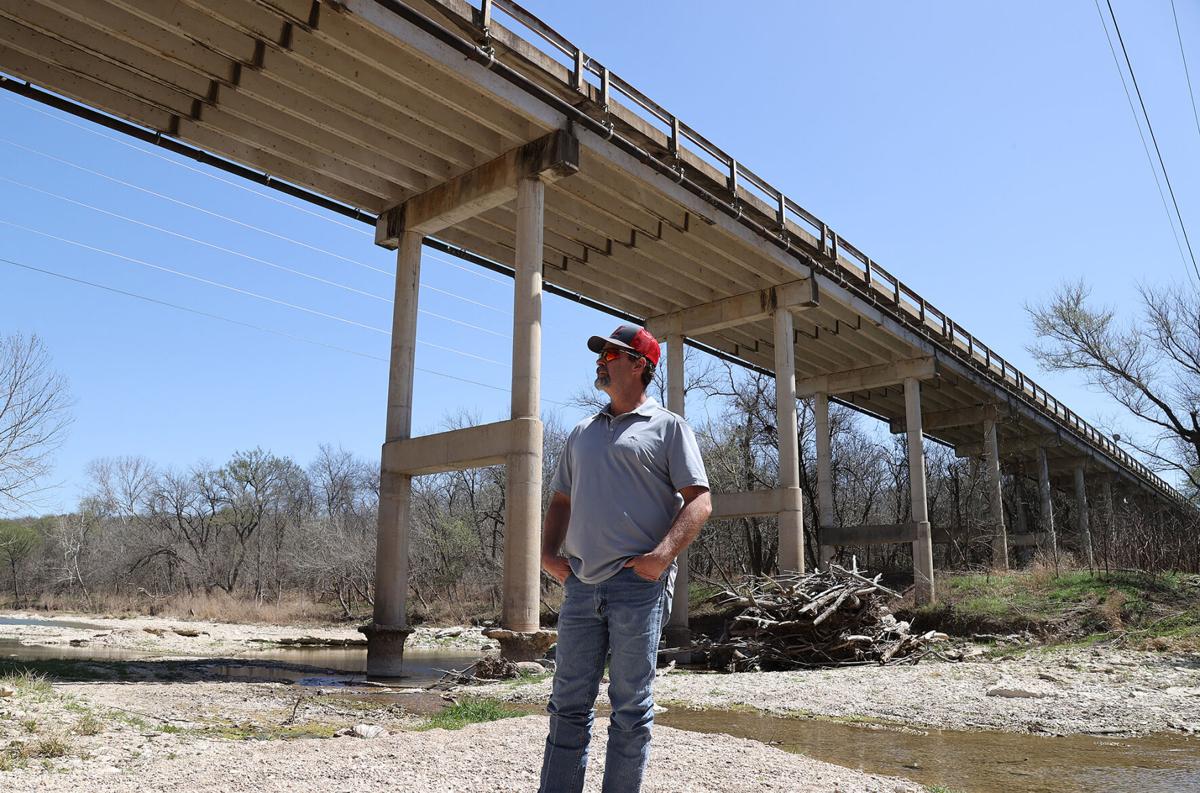
Watch now: Speegleville Road bridge over Middle Bosque River
A federal infrastructure bill passed last year designates $537 million to maintain and repair bridges in Texas over five years, which could help fund repair projects the city of Waco has been weighing for years.
Local leaders are eyeing a Speegleville Road bridge over the Middle Bosque River and a few crossing Primrose Creek, but details of how the money will be prioritized have not been finalized.
Under the Infrastructure Investment and Jobs Act, the Federal Highway Administration will allocate more than $27 billion through the Bridge Formula Program, which can pay for projects owned by state departments of transportation and local governments alike. There are more than 55,000 bridges in Texas and about 677 in McLennan County, according to the Texas Department of Transportation.
The city of Waco has seven high-priority bridge projects listed in its 2021-22 capital improvement plan, but cities have not yet received clear guidelines on what projects qualify for funding, said Steven Martin, engineering division manager for the city of Waco.
“We haven’t seen specific rules on the program,” Martin said. “We haven’t seen details on how we need to chase funding.”
He said the city evaluates its own bridges periodically and the engineering department staff is “well positioned” to start pursuing funding when they know more. The Texas Department of Transportation evaluates all 71 bridges it is responsible for in Waco every two years, then uses the report to prioritize repairs.
Martin said TxDOT reports make recommendations that are either critical, which should be fixed in 30 days; urgent, which should be fixed within six months; or routine, which can wait up to 24 months. Waco’s last bridge report listed 187 recommendations, none of which were critical.
“We have a handful of urgent fixes on those 71 bridges, and a bunch of routine,” Martin said.
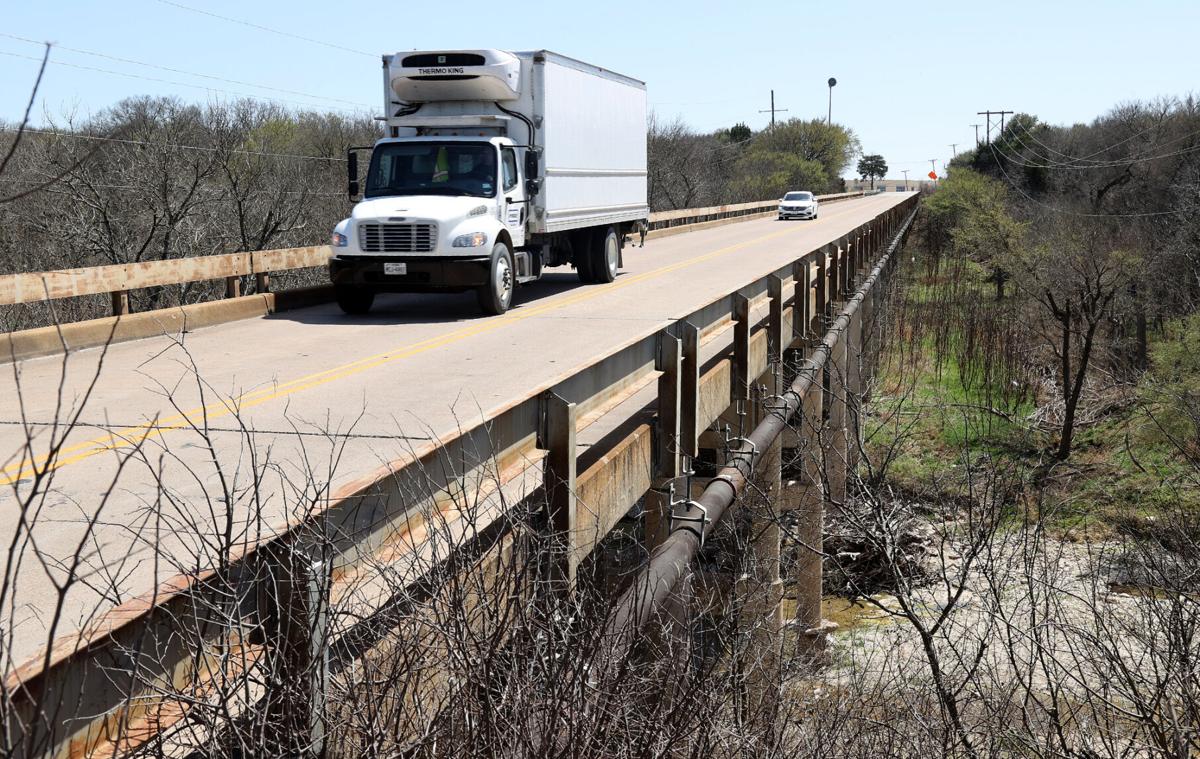
Speegleville Road narrows abruptly at its bridge over the Middle Bosque River. Widening the crossing is a goal for the city.
The 660-foot Speegleville Road bridge over the Middle Bosque River was built in 1964 by the U.S. Army Corps of Engineers as part of the Lake Waco Dam project, and is classified as “functionally obsolete” by TxDOT, according to the city budget.
“It is old. It was built to different standards,” Martin said.
Widening Speegleville Road and the bridge from two lanes to four has been a city priority for years. The county has completed a road-widening project from Highway 6 to the bridge, but from the bridge to Highway 84 the road remains 24 feet wide with only two lanes.
The federal infrastructure bill at one point included funding specifically for the project after local officials and Rep. Pete Sessions, R-Waco, worked together to shed light on its importance. But the item did not remain in the version passed into law.
The county moved utility lines out of the new lanes’ path and stopped just before the bridge, where the city of Waco will, in theory, pick up the project and complete the stretch of road, which will widen the bridge by roughly 32 feet.
The city will also have to relocate utilities, including power lines that run parallel to the road, to complete the work.
The road narrows even more suddenly at the bridge now that the county-owned portion of the road has shoulders the bridge still lacks. The city plans to build a new two-lane bridge with shoulders next to the old one with, then use both for four lanes of traffic headed in two directions.
River Valley Intermediate School, which is just south of the bridge, will soon be converted into a middle school, which means more drivers will have to use Speegleville Road to drop off and pick up their children.
Other high-priority bridges in the city’s capital improvement plan include one on New Road over a Union Pacific rail line, one on Sanger Avenue between Town Oaks Drive and Westview Drive and one on Herring Avenue across the Brazos River.
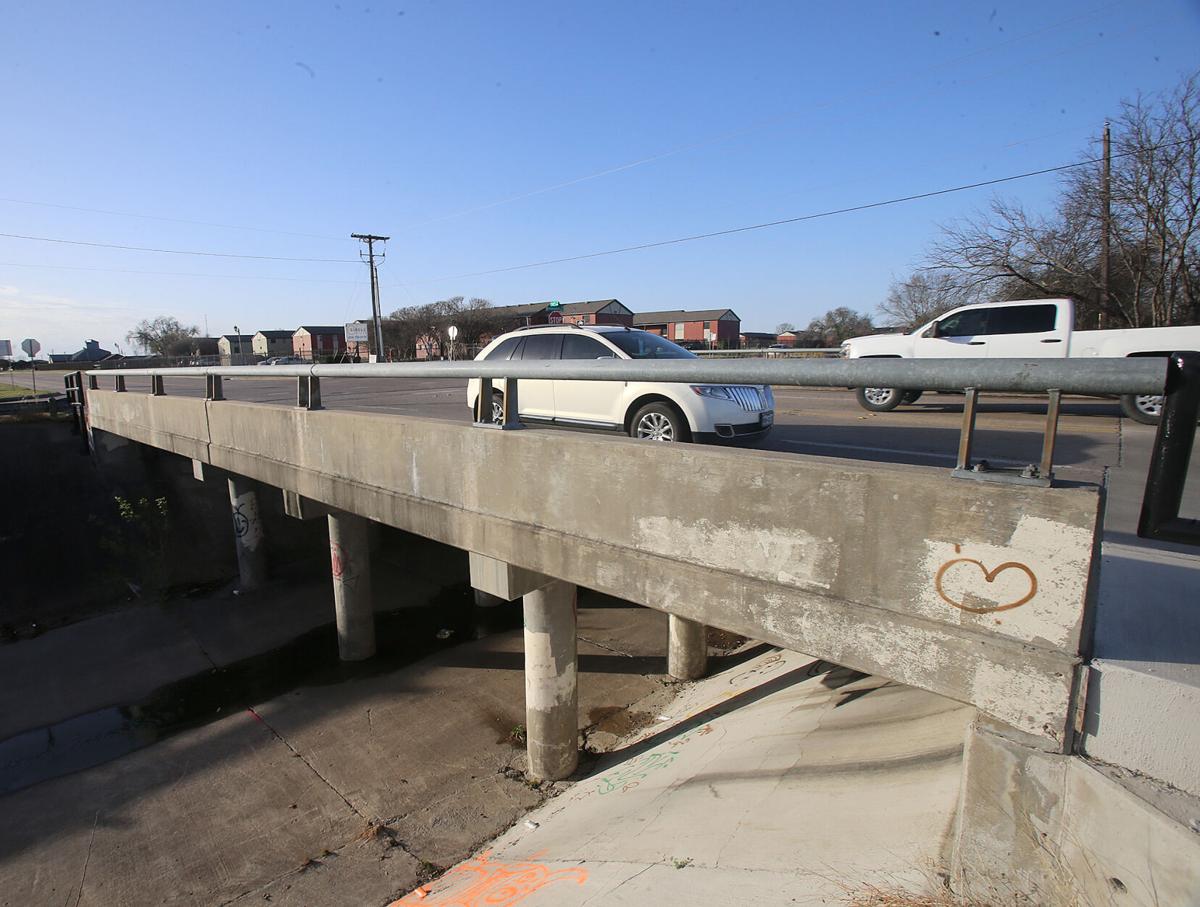
Vehicles cross the 18th Street bridge over Primrose Creek, which is on the city's short list for repair or replacement, along with a couple more crossing Primrose Creek.
Three more high-priority bridges cross Primrose Creek at 18th, 12th and Third streets and might also be suited to the federal bridge program. Martin said the bill emphasizes building resilient infrastructure, and between the bridges’ ages, conditions and their location in a floodplain designated by the Federal Emergency Management Agency, those three appear to be good candidates.
In a Walker Partners study of Primrose Creek as part of an overall floodplain study, consultants suggested raising the bridges by several feet, which could keep them from going underwater during a flood and potentially shrink the floodplain.
TxDOT spokesperson Adam Hammons said bridges classified as being in “poor” condition are still considered safe enough to keep carrying traffic despite whatever repairs or maintenance they need. Each bridge in Texas is inspected regularly as part of the National Bridge Inspection Standards overseen by the Federal Highway Administration.
“It’s important to note that all bridges that are open in Texas are safe,” Hammons said.