The Problem With Building a New City From Scratch
Published: Sat, 04/09/22
The Problem With Building a New City From Scratch
BloombergCalifornia needs to ease its housing crunch, but establishing brand-new cities isn’t the best way to do it, says urban planner Alain Bertaud. “The trouble is: Who wants to be first?”
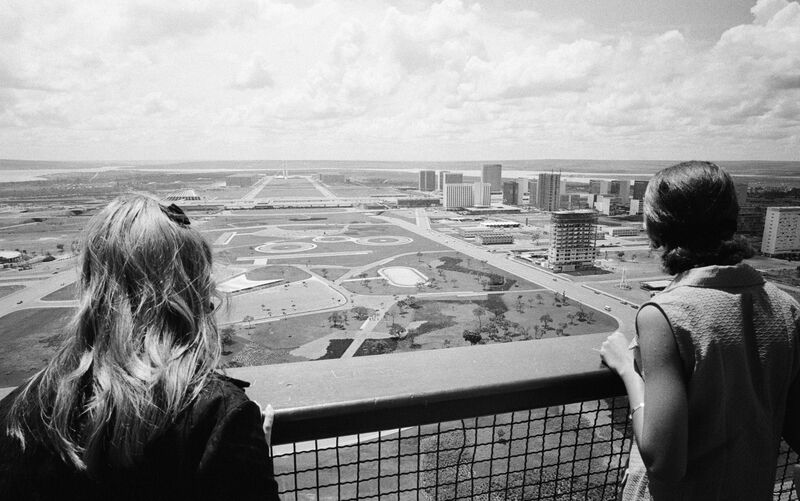
Brasília, the planned city that became Brazil’s capital in 1960, under construction in 1968.
Photographer: Freddie Reed/Mirrorpix/Getty Images
From California to Miami and points in between, housing costs in the U.S. are skyrocketing, bringing bidding wars in hot markets and fears of a fresh surge in homelessness as renters scramble for an affordable place to live.
The deepening housing crunch — and the intractable resistance that residents often put up when the prospect of new housing emerges nearby — has led some observers to ask: Why don’t we just make new cities?
“When China needs new places for people to live, they just build a new city,” Nathan J. Robinson recently wrote in Current Affairs, contemplating all the undeveloped land in between California’s costly major urban areas. “They’ve built 600 of them since 1949.”
At first blush, it might seem obvious. But history is full of failed, unfinished or underperforming scratch-built city projects, in California and elsewhere, and more are in the pipeline.
To learn more about how we might best approach building new cities, CityLab talked to a person who’s had a hand in planning a few of them: Alain Bertaud, a fellow at the Marron Institute for Urban Management and a globetrotting former city planner at the World Bank. Our conversation has been edited for length and clarity.
Should the United States be building new cities?
In general, the idea of building a truly new city in an already urbanized country like the U.S., Western Europe or Japan doesn’t make sense.
The trouble is: Who wants to be first? New city projects often start by highlighting their nice infrastructure, like Neom in Saudi Arabia. But nobody will move to a city with a good sewer system but no jobs. Historically, infrastructure follows the market, not the other way around. This is why, for example, the Greeks founded my home city of Marseilles: It exported local wine and cork and imported olive oil. During Roman times it became a portal for shipping grain from North Africa to Gaul.
Then there’s the issue of cash flow. When you build a new city, you have negative cash flow for a long time. Essential early infrastructure like roads and airports aren’t cheap, and it takes time for land sales and tax revenue to start coming in. This might work for new capital cities like Canberra or Chandigarh, which had the financial backing of millions of taxpayers, but it won’t work for most new cities.
What about regions that are rapidly growing but lack a city — say, in western North Dakota, where workers in the state’s fracking industry packed into temporary housing?
That’s the key: True new cities start with something that attracts a lot of people and go from there. This is the story of Orlando, one of the fastest-growing cities in the U.S. Disney created a lot of jobs there in the 1970s, and thanks to tourism, you quickly get a major international airport. Before you know it, you have a diversified city.
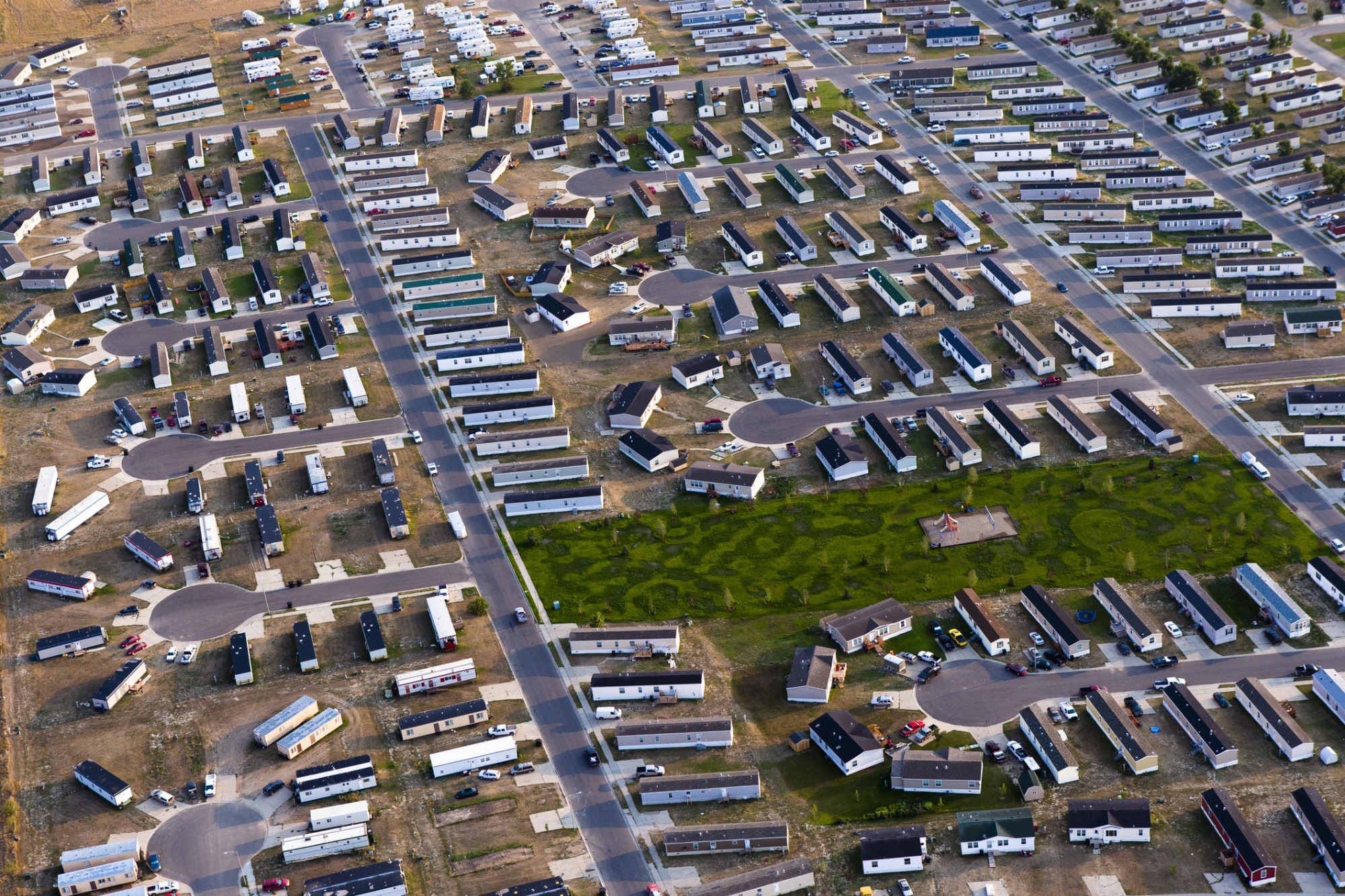
Photographer: Richard Hamilton Smith/Corbis Documentary RF
In this sense, Disney World is a lot like a fracking boom. Lots of people are currently moving to North Dakota. But to build a new city, they will need to do something similar, investing the returns from resource extraction into things like universities and airports, which will help to build a diverse local labor market.
Often, new international trade routes are the draw. For example, expect to see new cities emerge in Central Asia as China’s Belt and Road initiative creates a lot of new hubs. This is the story of Atlanta, by the way: It built an economy around being a rail junction. Or we might see new cities in the Arctic, as climate change opens up new Arctic shipping lanes. This is the story of Vancouver — a connection to the Pacific Ocean.
The trouble is, there are very few sites like this in the United States. People always say, “Let’s move to the middle of nowhere where land is cheap and we can start from scratch.” But cheap land is cheap for a reason — it’s usually not a very desirable place to put a city!
Let’s say I want to build a new city, for better or worse. How should I plan it out?
Cities are changing fast. Keep up with the CityLab Daily newsletter.Cities are changing fast. Keep up with the CityLab Daily newsletter. Cities are changing fast. Keep up with the CityLab Daily newsletter.The best way to follow issues you care aboutThe best way to follow issues you care aboutThe best way to follow issues you care aboutThe first thing you need to do is clearly demarcate the public and private realms. Think New York City’s street grid or Ildefons Cerdà’s plan for Barcelona. Where are the streets going to go, and what are they going to look like? Same for public spaces: Identify and preserve amenities like waterfronts or small hills, which will be your parks. These are design problems that need to be done all at once and in a top-down way before a healthy city can start to grow.
Second, you need to set up some way to finance infrastructure. Who should pay for it, and when should it be built? If you set it up correctly, new development should incrementally pay for itself. This ensures that the supply of developable land can follow demand. Texas’ Municipal Utility Districts seem to work well in this regard.
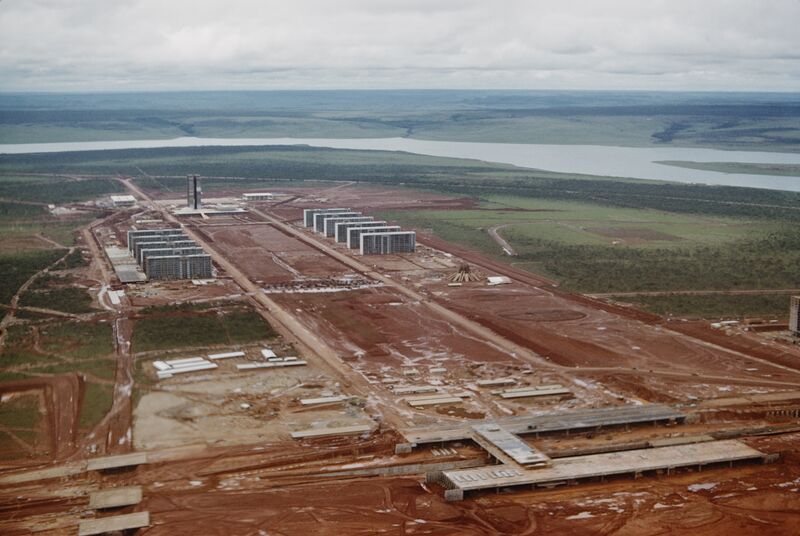
Photo by Harvey Meston/Archive Photos/Getty Images
Beyond these two considerations, don’t overthink it. The key is to lay the groundwork for a land market that will reveal the right way to allocate land uses and densities. This is partly what went wrong with Brasília — planners thought they could plan out every little detail about the city, right down to how many shops each neighborhood should have, and the results have been less than ideal.
Compare Brasília to Hong Kong, arguably one of the most successful new cities in modern history. Instead of micromanaging everything, the government focused on stewarding the public realm and providing quality public services. Otherwise, they mostly let markets design the built form of the city in a spontaneous and evolutionary way.
Is there any hope for a new city bailing out, say, Los Angeles or New York City, where housing costs are threatening to make the city unlivable for residents of modest means?
I would think more in terms of what I call “structured suburbs,” rather than entirely new cities. For example, in the 1980s, planners in South Korea planned five new “cities” around Seoul to deal with housing demand. But in practice, these were giant suburbs, with residents overwhelmingly commuting into Seoul.
In the United States, you see something similar in a city like D.C., where developments like Reston and Tysons are billed as cities, but are essentially glorified suburbs. And it’s not a bad idea! You’re adding more capacity to existing cities, thereby growing urban labor markets.
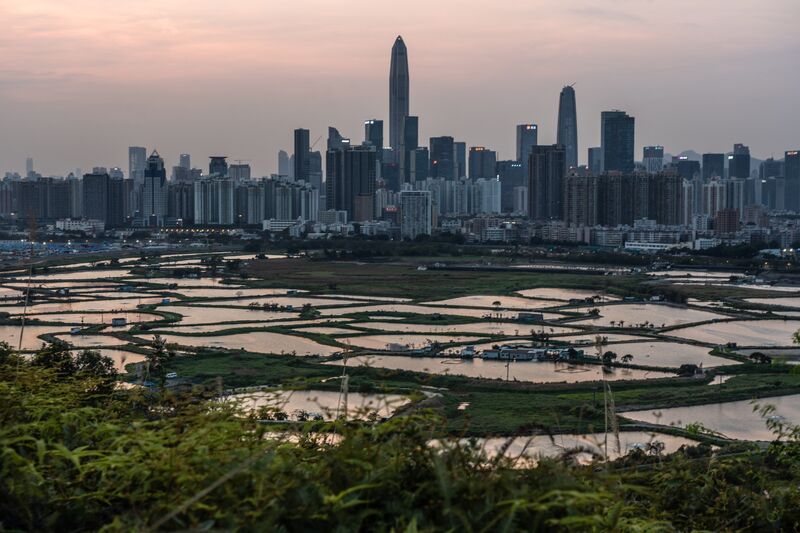
Photographer: Bertha Wang/Bloomberg
This is a standard feature of successful new cities, by the way. They piggyback off of — and ultimately strengthen — existing cities. This is true even of cities that have other things going for them, like Shenzhen, which introduced liberal economic rules, or Islamabad, which received plenty of subsidies as Pakistan’s capital.
To be clear, this isn’t an argument for giving up on existing cities. It’s easier to imagine a perfect new city on the Mojave than it is to fix broken zoning regulations in Los Angeles. But if you recognize that the wealth of cities flows from the people who live there, you quickly realize that fixing existing cities is worth the effort.