Texas police chiefs outline proposals to prevent school shootings
Published: Wed, 06/29/22
Texas police chiefs outline proposals to prevent school shootings
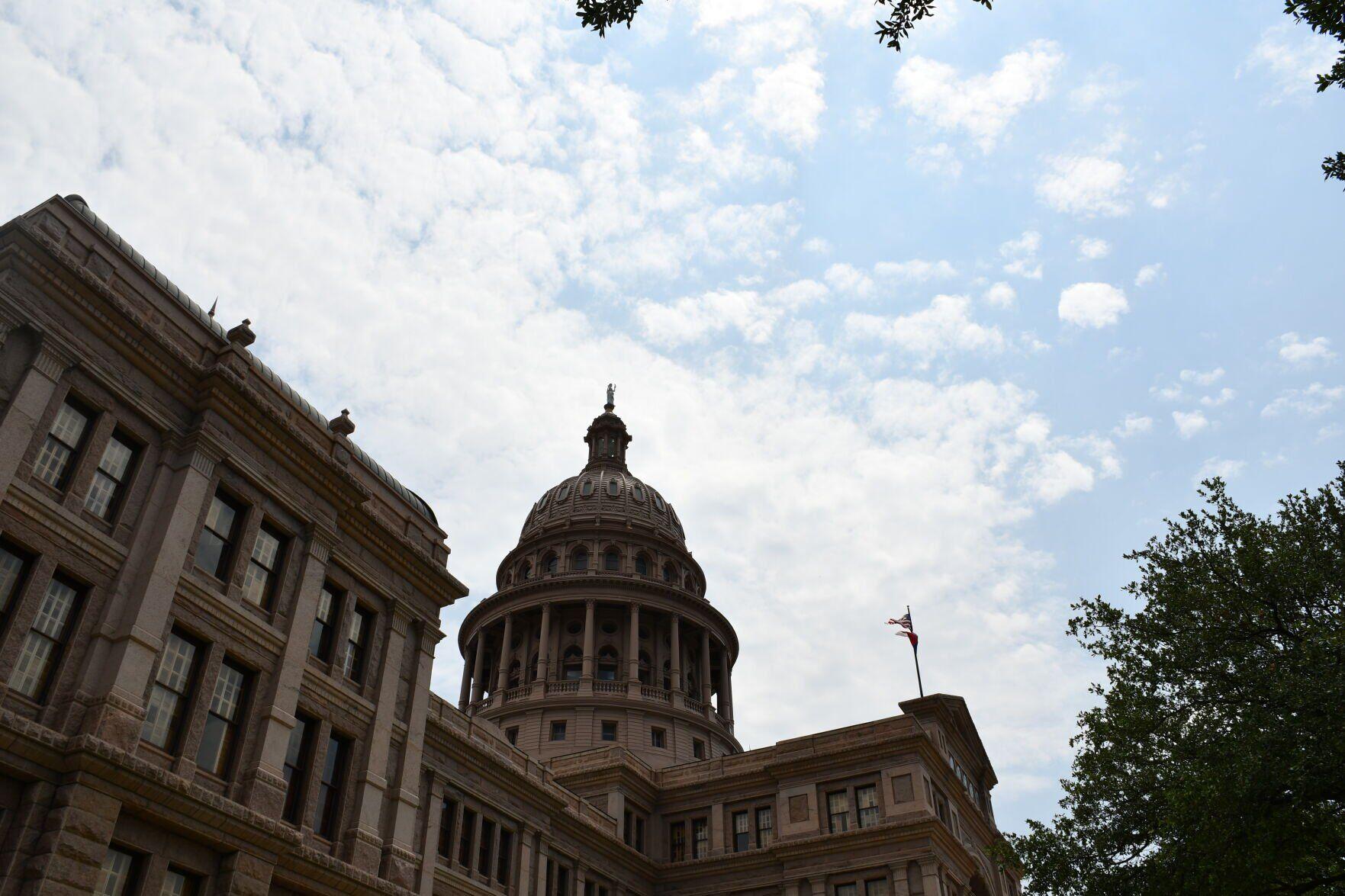
Police chiefs representing various communities across Texas urged state lawmakers to enact legislation that they hope will reduce crime and gun violence and improve school safety.
Ali Linan CNHI Texas statehouse reporterAUSTIN — Police chiefs representing various communities across Texas urged state lawmakers to enact legislation that they hope will reduce crime and gun violence and improve school safety.
In response to the Uvalde massacre, the chiefs from rural, urban and suburban communities appeared before a joint hearing of the Homeland Security and Public Safety Committee and the Youth Health and Safety Select Committee on Thursday. The law enforcement officials followed testimony from the families of Uvalde victims and gun rights advocates.
The officers, all members of the Texas Police Chief Association, offered a list of recommendations nearly identical to what the organization presented to lawmakers in 2020.
“I am extremely sorrowful and remiss to say that the legislature did address some - certainly not a significant portion - of the concerns that this association has brought before us again two years later,” said state Rep. Drew Darby, R-San Angelo. “That's embarrassing.”
Recommendations include strengthening background checks, raising the minimum age to purchase a military-style rifle, and making it a state crime to complete straw purchases, or the purchasing of a firearm on behalf of an individual knowingly unfit to obtain one.
Following the Uvalde shooting, where an 18-year gunman with lawfully purchased assault rifles killed 21 people, gun access in Texas has been under scrutiny. But these recommendations have appeared to be non-starters for state Republican leaders, despite calls from Democratic counterparts.
Instead, Gov. Greg Abbott, a Republican, has pointed to lack of mental health resources as the reason for the massacre, holding back on making any moves restricting guns. He and other prominent Republican state leaders have also pushed for hardening schools and placing a school resource officer at every school.
Texas police chiefs say all of these play a role, and also advocate for greater mental health resources and measures that enhance school security.
But they also highlighted the costs.
For example, Chief Neil Noakes with the Fort Worth Police Department said his jurisdiction accounts for 257 Texas Education Agency-listed schools within city limits. This encompasses 13 different school districts, including Fort Worth ISD, the sixth largest school district in the state.
Placing an armed officer at each school would cost an additional $66.3 million, up from the $13.9 million already allotted for the positions. In total, it would cost $80.2 million to place an armed officer at every school within one major city in Texas, Noakes said.
“SROs are an extremely valuable resource to schools,” Noakes said. “I do believe they need to stay, I do believe we need to enhance their numbers where we can, but they're not an end all-be all.”
Officers were also adamant that SROs receive Advanced Law Enforcement Rapid Response Training, also known as ALERRT. ALERRT is an active-shooter response course that has trained hundreds of thousands of law enforcement personnel and civilians in Texas and across the country, according to its website.
Currently, school marshals are required to complete 80 hours of training, as well as a psychological exam and a background check before being allowed on school campuses, but that does not include ALERRT training.
Last week, it was revealed that the Uvalde Consolidated Independent School District Police Chief Pete Arredondo waited 77 minutes before breaching the classroom door where fourth graders and teachers remained after the shooting started. Arredondo previously said it was because the responding officers did not have adequate equipment including ballistic shields, rifles and keys to open the classroom door.
Equipment arrived within minutes and the keys were never necessary, Texas Department of Public Safety Director Steve McCraw told lawmakers during a separate testimony.
“What transpired in Uvalde was a commitment issue, not an equipment issue,” said North Richland Hills Police Chief Jimmy Perdue.
Officers said requiring ALERTT would provide greater consistency across the state and ensure that all officers have the proper tools to handle elevated situations.
Specifically, the TPCA wants each peace officer to complete a minimum of 16 hours of ALERRT training to be repeated every two years, said San Marcos Police Chief Stan Standridge.
“Training must be topical, but it must be recurring,” he said.
TPCA would also like to see legislation that builds and requires a process for mental health documentation and data to transfer from district to district in case a student moves. With the new district having no knowledge of a student’s past and needs, they are starting from scratch, which Spring ISD Police Chief Ken Culbreath said “only exposes the most vulnerable.”
Texas law enforcement also puts information into the federal National Instant Criminal Background Check System, or NICS, but is unable to receive information back.
Officers said if they were able to quickly run an individual who is in possession of firearms through the federal checking system during a routine stop, they could have more complete information on how to best handle the situation.
They also pleaded for all school districts to work in tandem with the local law enforcement and even bring law enforcement into the planning process of new schools.
Perdue added that what transpired during Uvalde was a failure of a profession whose job it is to protect, but that in appearing before lawmakers, the TPCA is “willing to critically examine” its failures in order to learn from them and avoid the same mistakes in the future.
“Law enforcement plays a special role in our society and we're blessed in Texas to have overwhelming support for our communities,” Perdue said. “However, we understand that as it relates to the incident in Uvalde, we as a profession failed. We failed to honor our oath to be willing to put ourselves in harm's way for others. We failed to protect the most innocent in our society from evil. We failed to demonstrate our commitment to the values and principles that we all hold dear.”