Waco Editorial: All local governments should adopt no-new-revenue rates
Published: Sun, 05/01/22
EDITORIAL: All local governments should adopt no-new-revenue rates
It’s going to be difficult to justify anything other than the no-new-revenue rate when local entities set their 2022 tax rates. Valuations for existing residential property rose 30% year over year, and the McLennan County Appraisal District expects more than 18,000 property owners to protest their valuations this month and into June. Cities, schools, the county and MCC will set their tax rates this summer to finalize budgets for the new year, which begins Oct. 1 for most taxing authorities.
The no-new-revenue rate, formerly called the effective tax rate, is calculated by the appraisal district and represents the rate each taxing authority must set to hold property tax receipts at current levels. Of course, few ever utilize the no-new-revenue rate. They may keep the rate the same, or even lower it a few cents, but rarely do taxing authorities lower it enough to offset increased valuations.
We recently published a guest column by Corsicana City Councilman Chris Woolsey, who admitted that many local government officials learn from the Texas Municipal League how to disguise tax increases by passing the blame back and forth between appraisal districts and local taxing authorities in their orientation training after taking office. That’s quite a confession from a sitting councilman.
Anyone looking for help can show up at the South Waco Community Center, 2815 Speight Ave., at 6 p.m. Thursday for a free workshop on how to protest property tax valuations. We encourage property owners to question their valuations, especially in a hot housing market where sale prices seem unmoored from historical trends. The appraisal district reported that approximately 3,000 of the 62,000 owner-occupied homes in McLennan County actually sold over the past year, and those sales are the primary driver in setting fair market value for everyone else.
New construction — houses not yet on the tax rolls — has no bearing on current valuations or the no-new-revenue rate. School district bond issues are also tracked separately as voter-approved measures.
Rising property tax rates are the single biggest issue facing Texas homeowners. Appraisal districts often unfairly face the ire of taxpayer outrage. State law mandates they set valuations within 95% of fair market value. For the appraisal district to do anything different, it will take legislative relief on a much grander scale than increased homestead exemptions. Real relief requires a change in state law.
The only existing offset to increased values — barring a market cool-down due to rising mortgage rates or a shallow recession, both of which are taking shape — is the rate set by local governments. Holding rates at current levels represents a 30% tax increase (homestead and other exemptions notwithstanding).
In fact, any rate above the no-new-revenue rate is a tax increase.
Perhaps this is the right time for all school districts, the county, cities and towns to uniformly adopt the no-new-revenue rate. Let new growth provide new revenue, and spare homeowners the sting of paying more in property taxes during a time of inflation.
Such a year would undoubtedly be a challenge for local governments and school districts, but it is the only way to keep property taxes from going up.
Chris Woolsey: To lower property taxes, we must vote as well as protest valuations
- CHRIS WOOLSEY Guest columnist
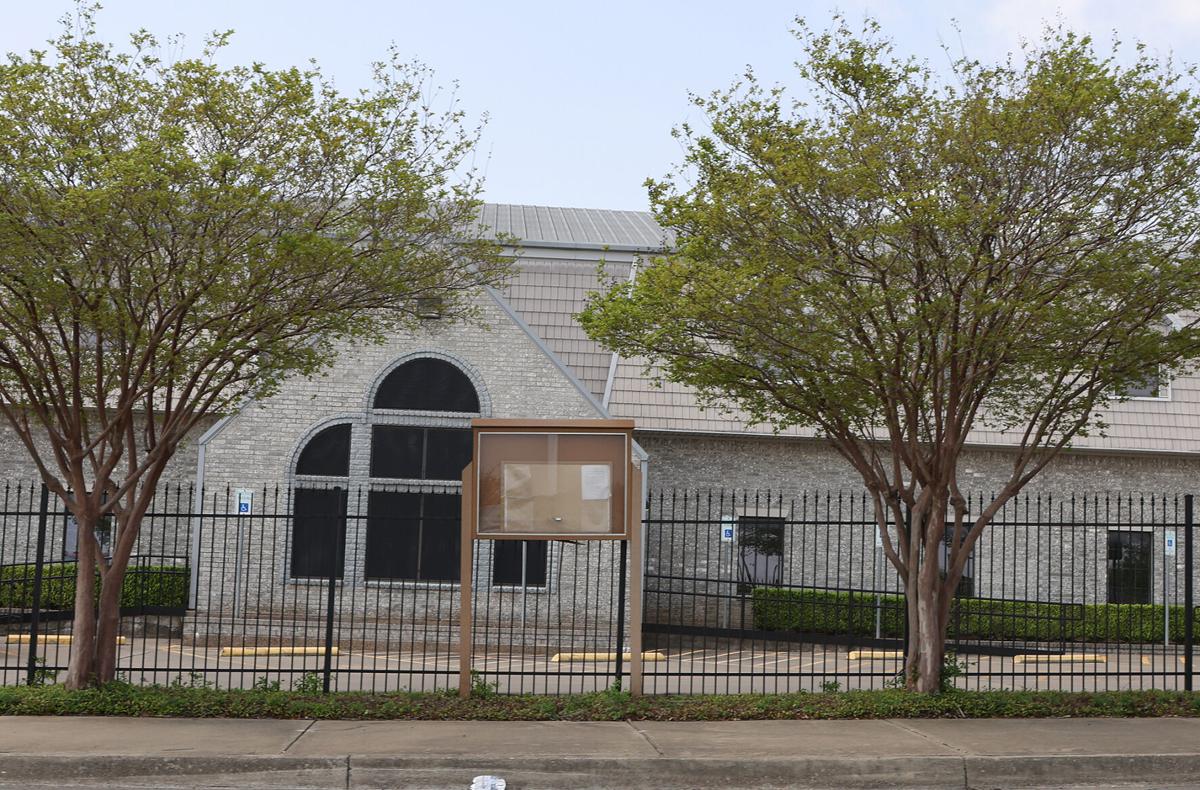
The local appraisal review board, an appointed group of private citizens, will hear protests from 8 a.m. to 5 p.m. weekdays until July 20 at its office on South 26th Street. The McLennan County Appraisal District by law must certify tax rolls by July 25, after which local taxing entities will set tax rates for the following year.
Each year the appraisal district will send out thousands of notifications informing property owners that their appraisals have increased. It’s easy to understand why many Texas homeowners and businesses are rightfully worried about these appraisal increases and the subsequent tax increases. As a member of the Corsicana City Council, I hear from constituents on a regular basis who are frustrated with paying more and more in property taxes each year and don’t fully understand who is responsible or where that money goes. It’s crucial for taxpayers to have clarity and transparency on the process and recognize how so many different entities play a part.
One common myth is that the state of Texas collects property taxes. Texas does not have a state property tax system but allows local governments the choice to collect them. Because of Texas law dating back to 1979, the property tax system is intentionally broken: it allows local governments to continuously shift blame for rising property taxes — the appraisal district points to cities, counties, and schools, for their rates and those same entities then point the finger right back at the appraisal district for their rising appraisals. This broken system was designed to give local governments cover to continue collecting higher property taxes while always having a way to shirk accountability to taxpayers. The buck must stop somewhere, and the fact is that tax rates set by schools, counties and cities are the ultimate reason your property taxes go up. I doubt you’ll hear this from any of your local elected officials.
Local government entities set a tax rate, which is then applied to your appraisal. School districts typically take the largest piece of your tax pie, often accounting for 40-50% or more of your tax bill (which is why school board races are so important). City, county and school taxes, and bonds (a softer way of saying “increased tax burden”), have the most direct impact on your everyday life as well as your pocketbook, yet elections for these critical positions are largely skipped by the very people they impact. What most people don’t know is that every local taxing entity is free to set the property tax rate to $0.00. Every local government could abolish property taxes, like the city of Stafford has done.
Each year, the county tax assessor-collector must publish a tax rate that would collect the same dollar amount (not accounting for growth) as the previous year — called the “no new revenue rate” (formerly known as the “effective rate”). Every city councilman, county commissioner and school board trustee knows prior to voting which rate will not increase your out-of-pocket tax bill. You will hear every year from schools, cities and counties: “We kept the rate the same as last year.” But the fact is simple: If the tax rate passed is higher than the no new revenue rate, your taxes were increased.
This is a prevalent talking point permeated throughout the local government network as a way to collect more money but convince voters that you didn’t raise taxes (this “trick” is taught to all newly elected city officials who attend the Texas Municipal League orientation — I witnessed it myself). If you are concerned over the continuous growth of your property tax bill and do not feel like you have seen the increased local services to justify the amount, it is your duty to vote in local elections for city and school positions (typically held in May). However, when it comes to your tax bill, the tax rate is only the first part of the equation.
The appraisal district assigns a value to your property that, in theory, should reflect about 95% of your property’s market value. The appraisal district must also notify the property owner if the valuew increases over a certain amount from the previous year. What many people don’t know is that value is not set in stone immediately; you have a right to protest the appraisal district’s assessment. Protesting your appraisal is a task most people forget about, but it can have a tremendous impact on if, or how much, your property tax bill increases. Business owners can protest their business personal property appraisal (commonly referred to as the “inventory tax”) as well. Every individual has a right to protest these appraisals, and there are professional services available to help guide you through the process if needed.
A great mentor of mine, the late Congressman Ron Wright, masterfully understood the property tax system and taught me a great deal about it. He summed up the issue neatly in an op-ed for the Fort Worth Star-Telegram in 2016: “Appraisal districts, tax offices and local elected bodies should work together to provide as much honesty and transparency in the property tax system as possible. Blaming value alone for higher taxes should stop. Property owners should also do their part. Learn more about the taxes you have to pay and engage your elected officials.”
Taxpayers have two powerful, tangible tools at their disposal to keep property taxes in check, yet sadly many forget about them. The first is to participate in local elections for city council and school board elections. These are traditionally low turnout elections in May that have a greater impact on your daily life than congressional or presidential elections. The second is to protest your appraisals, and exercise your right to check the appraisal district’s assessment. Actively participating in both sides of the conversation gives you and your community the best opportunity to bring property taxes under control, and ensure your dollars are wisely spent on the services you care most about.
Until our state legislature and governor commit to abolishing the property tax system, no Texan will truly own property — we are all tenants sending a rent check to the government each year.
Chris Woolsey is a commercial real estate advisor and property tax consultant with The Means Companies. He is currently serving his second term on Corsicana City Council. He can be reached at cwoolsey@corsicanatx.gov.