How the San Antonio to Austin bus compares to large U.S. cities
Published: Fri, 09/02/22
How the San Antonio to Austin bus compares to large U.S. cities
John Davenport /San Antonio Express-News
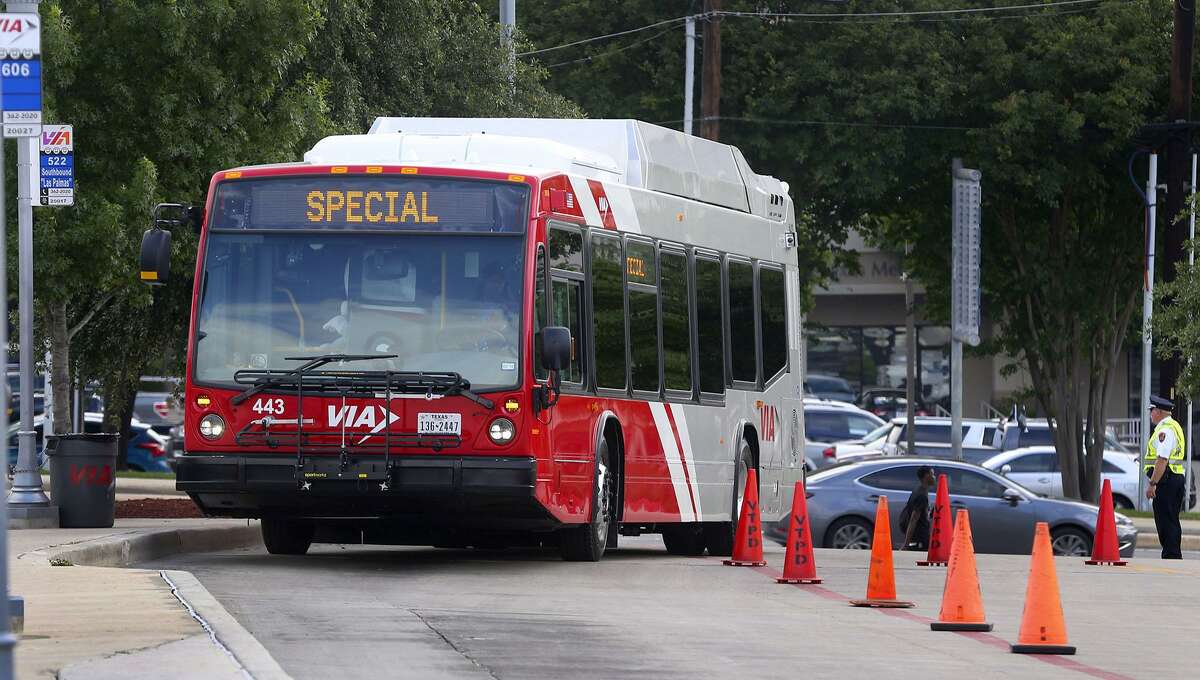
The Alamo Area Council of Governments, backed by former mayor Henry Cisneros, told San Antonio officials on Monday, August 29, that it is time to find a remedy to the traffic between Austin and the Alamo City along I-35. That proposed remedy involves using buses, resources used by both cities for decades, to transport people between Austin and San Antonio.
Diane Rath, AACOG executive director, and Cisneros presented plans for a two-year pilot public transportation program that would bus people between the two cities called Inter-Urban Bus (IUB). The bus line pilot would use two buses to carry passengers both ways that would cost $1.5 million for two years.
AACOG would request $581,000 from San Antonio and $23,000 from Bexar County. Austin's Capital Area Rural Transportation System would ask $389,000 from its home base city, $13,000 from Travis County, $70,000 from Hays County, and $29,000 from Comal County
Hare some other key details from the proposal.
- Buses would make 20 one-way trips per day Monday through Friday.
- The trips would be 90 minutes starting from the Randolph Park and Ride.
- The initial cost would be $10 per day.
- Buses would make stops in New Braunfels and San Marcos.
- Trips would start at 6:45 a.m. and end at 9:45 p.m.
- The bus line would span 1,490 miles.
Council members seemed excited for the bus line but wanted to see if access could extend south. Cisneros said on Monday that it would make the trips longer, but both him and Rath didn't seem to completely rule that option out.
To see how this young plan stacks up, we are going to take a quick look how some other neighboring cities in the U.S. handled public transportation between two or more.
Dallas-Fort Worth
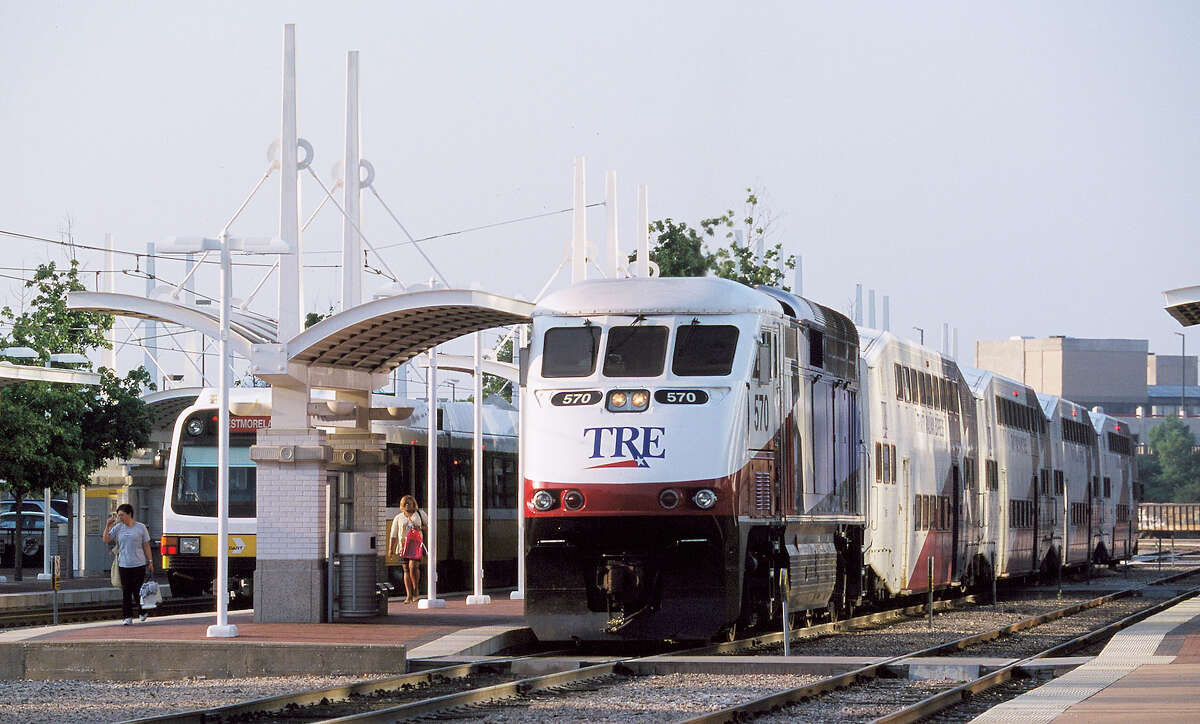
The Dallas-Fort Worth area has its own rail line between the two cities. Dallas Area Rapid Transit, also known as DART, provides commuter access to the Trinity Railway Express train. The line runs from downtown Dallas to downtown Fort Worth with stops in between from Monday through Saturday.
DART's inner-city bus lines also connect to TRE stations. One way trips costs range from $1.25 to $6. One-way day passes range from $3 to $12.
The Twin Cities (Minneapolis to St. Paul)
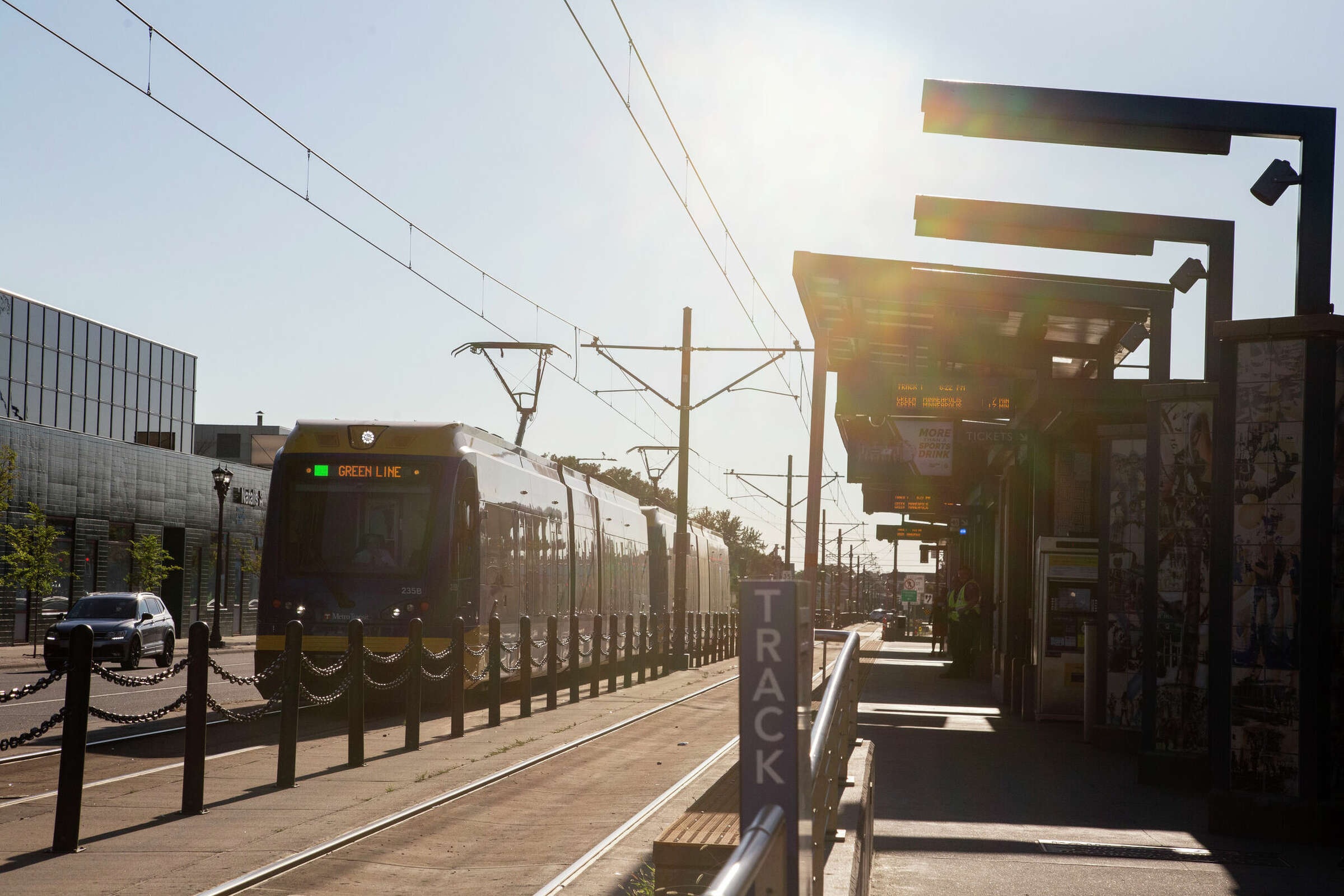
Minneapolis and St. Paul's public transportation system, called Metro Transit, is much more established and has multiple rail and bus lines that help commuters travel between the two cities in Minnesota. The Green Line is the railway that links downtown Minneapolis, the University of Minnesota, and downtown St. Paul.
Metro Transit also has bus lines in areas outside its downtown areas that carry people to Green Line stations. The Green Line fares range from $2.50 during rush hours and $2 at all other times.
California
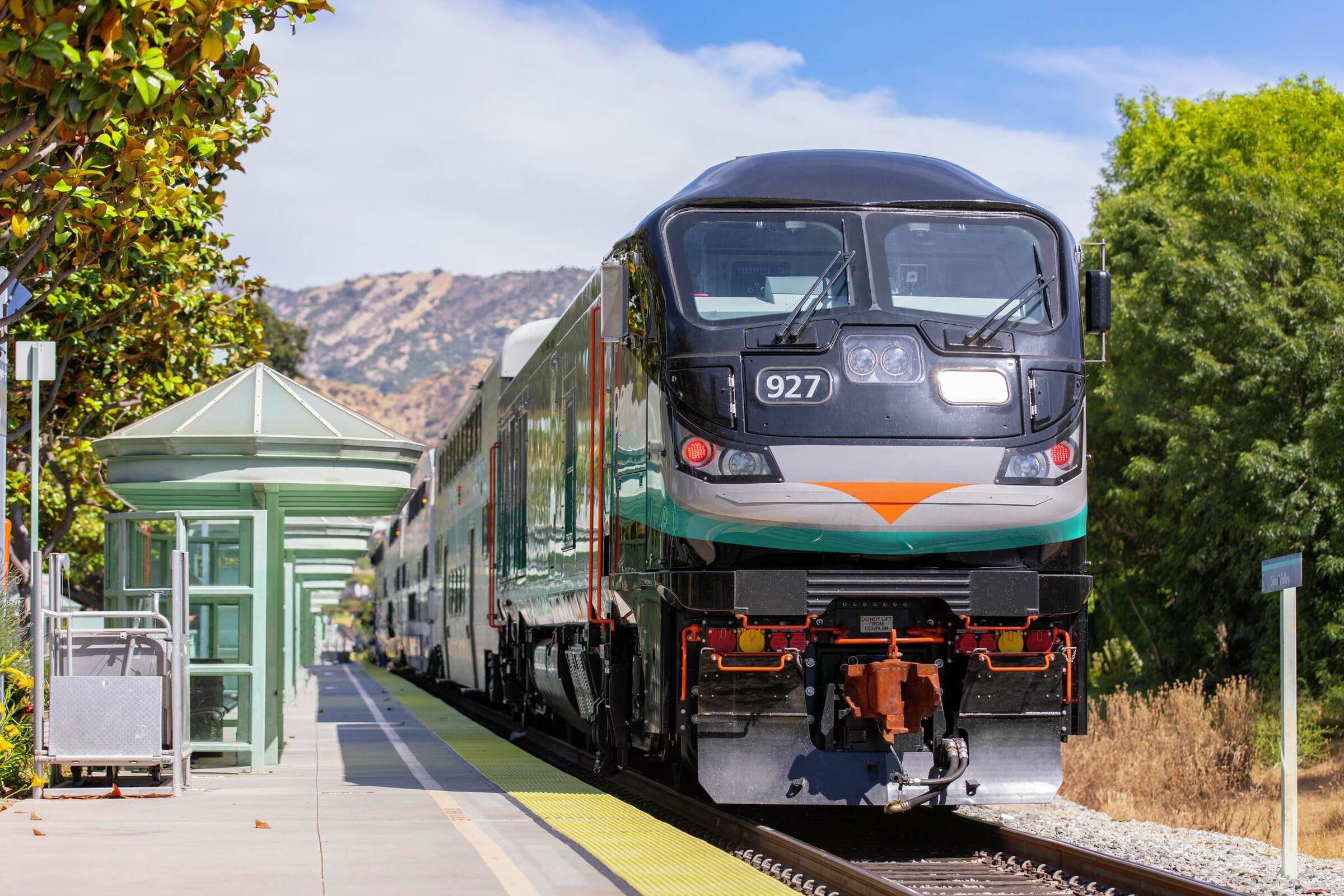
California has multiple examples for public transit between multiple cities, but they lump them together by counties. For example, Los Angeles uses Metrolink rail lines that offer free rides between Southern California counties and the cities outside of Los Angeles. Metrolink offers free connections, but paid options can range anywhere from $4.25 to $22 for a one-way trip.