Fort Worth's city council voted to nearly doubles key fee tied to residential development
Published: Wed, 11/30/22
Fort Worth's city council voted to nearly doubles key fee tied to residential development
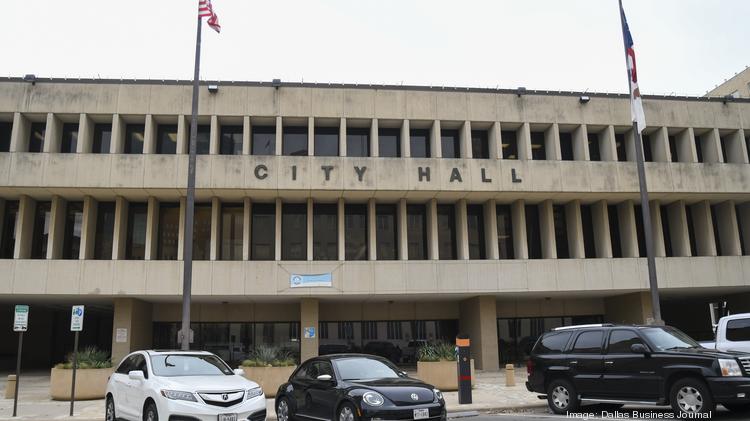
The Fort Worth city council voted to nearly double the rate residential developers pay in transportation impact fees.
Jake Dean
Dallas Business Journal
By Spencer Brewer – Staff Writer, Dallas Business Journal
Fort Worth City Council voted on Tuesday to nearly double the rate residential developers pay for transportation impact fees, which critics argue could worsen the city’s affordability issues and dampen future housing development.
The city council passed a measure that sets the new collection rate at 50% of the total that can be charged, with 5% annual increases that could bring the total rate to 65%. This is a sharp increase over the previous rate, which averaged 30% across all sections of the city where impact fees are charged.
Transportation impact fees are, as defined by the city, charges assessed by local governments on new development projects that help fund transportation improvements which become necessary as new development occurs. Simply put, they’re a vehicle the city uses to pay for infrastructure that’s worn down by new development.
Because new development wears down existing infrastructure, the fees are leveled at developers to help pay for some of that cost.
The ultimate goal of the transportation impact fee program is to build-out as much of the Transportation Improvement Plan as possible in the next five years. In the last five years, the city has completed 15% of the TIP.
Aside from roadway creation or repair, the increase in rates would support other infrastructure such as drainage and railroad crossing projects. According to a staff report, part of the reason Fort Worth has transportation impact fees is because traditional funding for expanding infrastructure has not kept pace with the city’s growth.
During the city council meeting, individuals representing trade organizations and homebuilders took to the stand opposing the rate hike.
“This is going to be a gut punch to the housing industry across Fort Worth,” said Clint Vincent, representing Bloomfield Homes during the city council meeting.
How much developers can expect to pay in transportation impact fees is broken down by service area. Each service area has a different maximum, or “schedule 1.” Broadly speaking, the schedule 1 for each service area has gone up.
This maximum is the "fair share" for developer contribution to infrastructure. A city can charge up to that maximum, but state law says it can’t exceed it. However, Fort Worth can and does provide discounts. The former average discount was fairly significant, relative to the average maximum rate per service area. What was recently passed is the new discount.
Between the new maximums and the new rate, developers can expect to be significantly more in transportation impact fees than before.
“Builders can’t just simply absorb these costs, they will be passed on to the homeowners,” said Don Allen, first vice president of the Texas Association of Builders, during the city council meeting. “That’s just the way business works. This will have a ripple effect on housing prices throughout the city.”
Council member Elizabeth Beck said it’s important to remember that the new rate is 50% of the actual cost of improving the transportation needs for a specific development. The rest is subsidized through tax dollars or bonds.
“Our job is not to make corporations wealthy. Our job is to be good stewards of our citizens’ tax dollars,” she said.