Transportation impact fees could rise in Fort Worth. Here's how that could impact commercial, residential development
Published: Wed, 10/12/22
Transportation impact fees could rise in Fort Worth. Here's how that could impact commercial, residential development
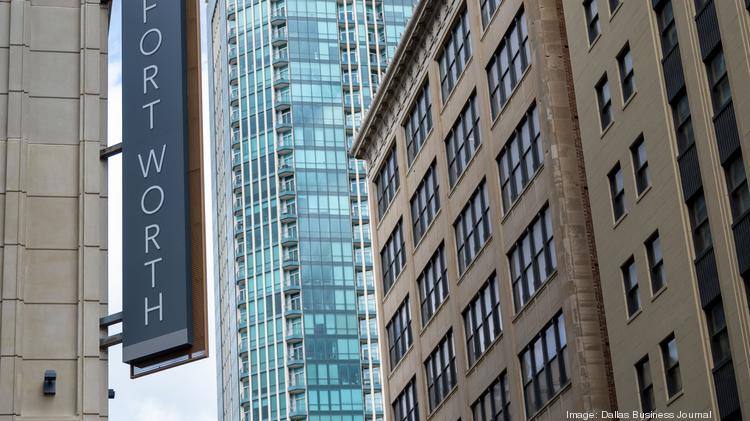
Part of the reason Fort Worth, shown here, has transportation impact fees is because traditional funding for expanding infrastructure has not kept pace with the city’s growth.
Jake Dean
Dallas Business Journal
By Spencer Brewer - Staff Writer, Dallas Business Journal
Transportation impact fees are the topic du jour in Fort Worth, with a potential increase on the horizon that could have broad impacts on the city’s real estate community.
The City of Fort Worth is considering raising transportation impact fees on residential and commercial development. While the potential increase would help bolster vital services in the city, critics have argued the sharp rise in fees could stifle development and make end-result products like housing more expensive for residents.
Transportation impact fees are, as defined by the city, charges assessed by local governments on new development projects that help fund transportation improvements which become necessary as new development occurs. Simply put, they’re a vehicle the city uses to pay for infrastructure that’s worn down by new development.
Because new development wears down existing infrastructure, the fees are leveled at developers to help pay for some of that cost.
The fees are assessed every five years. This year, the city conducted a study to determine what the new fees will look like. City staff is recommending new rates that are well above what developers are currently paying.
Fort Worth held a public hearing about the potential increase in transportation impact fees late last month. During that hearing, several representatives of major homebuilders voiced concerns that the increase would add to growing affordability issues.
Here's a simplified look at how transportation impact fees break down and what the potential increases are across the real estate sector.
What is the history of transportation impact fees in Fort Worth?
The state law that allows for cities to create transportation impact fee programs was created in 1989. The City of Fort Worth created a transportation impact fee program in 2008. At the time, the city was growing rapidly and trying to find a way to pay for new infrastructure, said D.J. Harrell, director of Development Services.
As a part of that program, the city has to conduct studies to determine what the "fair share" for developers actually is. The previous study, which was used to accept the current rate, occurred in 2017.

D.J. Harrell, Fort Worth director of Development Services
Jake Dean
How do transportation impact fees work?
How much a developer can expect to pay in impact fees is broken down by service area. The city uses the study to determine the maximum rate for a service area, also known as the schedule 1. This maximum is the "fair share" for developer contribution to infrastructure. A city can charge up to that maximum, but state law says it can’t exceed it, said Mirian Spencer, transportation impact fee coordinator.