DETCOG submits challenge to Texas Broadband Map
Published: Thu, 03/02/23
DETCOG submits challenge to Texas Broadband Map
The Lufkin Daily News
By JEFF POWNALL/The Lufkin Daily News
March 2, 2023
The Deep East Texas Council of Governments is challenging the accuracy of the state’s proposed broadband map.
The challenge, filed with the Texas Broadband Development Office, states 46 census blocks in the 11-county DETCOG region have significantly slower internet speeds than reported on the initial map, which will be used in determining how state and federal broadband internet funds will be distributed.
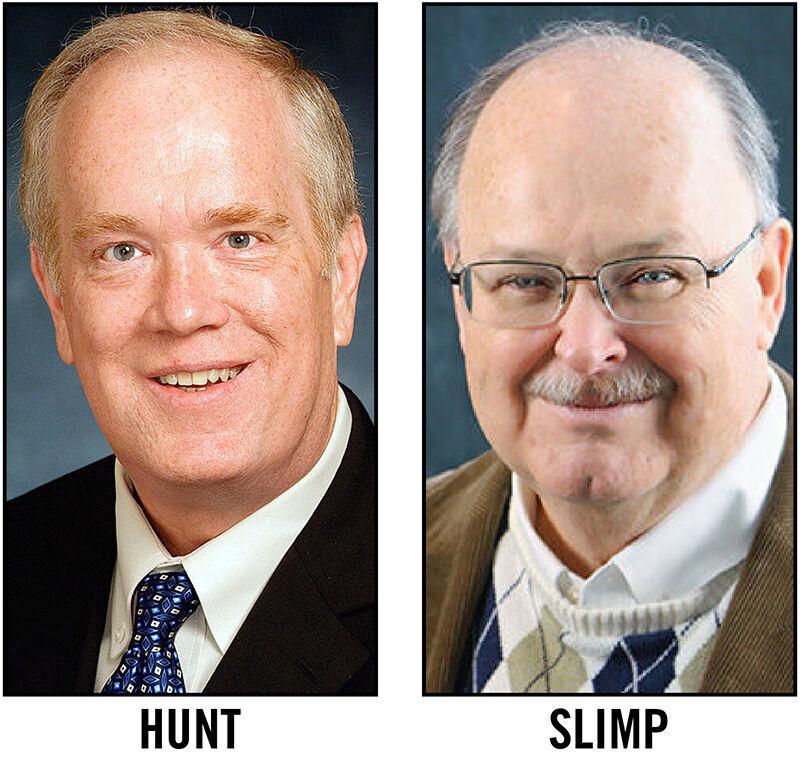
Lonnie Hunt, DETCOG’s executive director, said it appears the map was created by asking existing providers where they have service. He also believes some of those providers have either overstated where they provide service and what that level of service is.
‘‘It’s a Herculean task to argue with it because they’ve hired a contractor to develop this map, and we can’t really see the data the contractor has other than the final results on the map because it's proprietary data,’’ Hunt said.
Mickey Slimp, DETCOG’s broadband project manager, said census blocks are not ‘‘terribly scientific instruments,’’ and the size of each may vary, from one or two people to 300 to 400 people.
Eleven of the 46 disputed census blocks are in Angelina County, he said. The largest disputed block had 27 homes while the smallest had four.
‘‘The way they are rolling out grants in this first project, they’re only giving grants or highlighting places that have unserved census blocks,’’ Slimp said. ‘‘The map showed Angelina County with zero unserved census blocks and almost zero unserved houses. If we can prove these census blocks within that area are unserved, then that means we may be able to submit a much broader grant proposal for unserved and underserved areas.’’
Hunt believes the agency has built a compelling case but isn’t sure it is compelling enough to force changes to the map. And if that’s the case, he hopes DETCOG’S evidence is compelling enough to get legislative help to get changes made.
He said the state should spend its broadband funding in the most effective and efficient way possible as opposed to developing a competitive grant program that allows existing providers to apply for grants to expand service. His preference is to prioritize people over providers.
‘‘In places like Deep East Texas, my fear is always going to be there are too many locations where an existing provider is not going to be willing to invest money because they know they are going to lose money down the road,’’ he said.
‘‘It sounds great to say we’re going to have a competitive grant program, but that leaves a lot of people out, especially in rural areas like ours. And it makes it harder for the people who need broadband the worst to get served.’’
Hunt used electric cooperatives as an example of how broadband could work in rural Texas.
‘‘Because of electric cooperatives, we have electricity everywhere, but it took a not-for-profit co-op model to make it happen, otherwise a lot of people in rural East Texas wouldn’t have electricity.’’
He said the subsidies from some customers ‘‘cast a bigger net,’’ making it possible for others to get service.
DETCOG’s challenge is based on responses from more than 3,000 households and businesses to an online broadband survey and speed test. Slimp said about 25% of respondents were knocked out because they were afraid to provide total address information on the survey.
The challenge survey webpage where residents can submit their home information is still active. Slimp said it may be needed if further map changes are considered and to collect data for future grant applications. The survey and speed test may be completed at:
‘‘There’s so many unanswered questions as far as how things are going to play out, but we just feel like we have to stay engaged,’’ Hunt said.