San Antonio officials are losing sleep over a threat to CPS Energy finances. What to know
Published: Fri, 03/24/23
San Antonio officials are losing sleep over a threat to CPS Energy finances. What to know
Texas Senate Bill 1110 would prevent utilities from transferring revenue to the cities that own them. That would gut San Antonio's city budget.
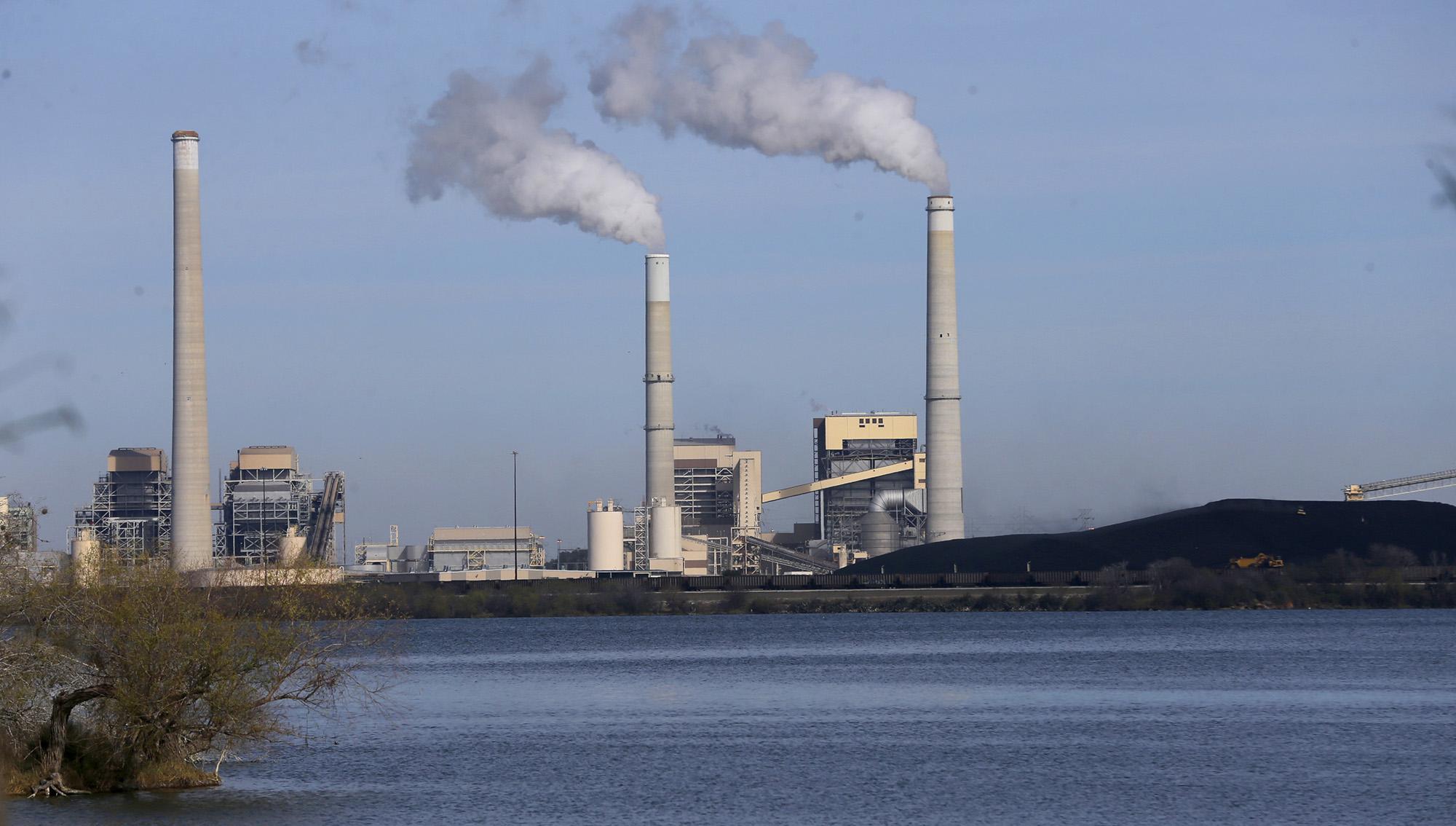
CPS Energy's coal-fired power plants J.K. Spruce (right) and Deely (left stack) on Calaveras Lake Thursday January 4, 2018. Low temperatures in San Antonio have cranked up demand for heat and electricity.
John Davenport, STAFF / San Antonio Express-News
San Antonio Express-News
Marc Duvoisin, Staff writer
Here's what you need to know:
Why does CPS Energy hand over money to the city of San Antonio?
It’s a standard practice in Texas and across the country for city-owned water and electric providers to transfer a portion of their revenue to the cities that own them. Think of it as a return on investment – that’s how city officials would like you to think about it. The citizens of San Antonio own CPS Energy, so some of its surplus revenue should be available to support city services. That’s the argument at least.
Where does the revenue come from?
The rates paid by CPS Energy customers. The utility provides electricity to more than 900,000 households, businesses and other organizations in San Antonio and parts of seven neighboring counties. It also supplies natural gas to nearly 374,000 customers.
How long have these financial transfers been happening?
The city of San Antonio acquired the utility in 1942. Since then, it has transferred up to 14 percent of its revenue to the city every year.
How much money are we talking about?
A lot. CPS Energy is expected to hand over nearly $392 million to the city during this fiscal year. That’s 26 percent of the city's $1.5 billion general fund, which pays for police and fire protection, street repairs, sidewalks, libraries, senior centers, drainage projects and other services.
Ben Gorzell, the city’s chief financial officer, said the legislation — Senate Bill 1110 — “would cause a catastrophic loss in revenue that would negatively impact services to our community, the city's bond credit ratings and capital programs.”
Gorzell said that if the bill becomes law, the city will have to cut services significantly and might have to raise taxes to make up for the lost revenue.
Assistant City Manager Jeff Coyle called the legislation "the biggest, potentially most damaging piece of legislation we've ever seen."
Sounds serious. Who wants to block these transfers, and why?
State Sen. Charles Schwertner for one. He’s a Georgetown Republican, and he’s chairman of the Senate Committee on Business and Commerce. He wrote SB 1110.
He says he’s not out to block the transfers altogether. In the fine print, the bill would prohibit municipally owned utilities from building revenue transfers into the rates they charge customers.
Schwertner says his aim is to prevent “excessive transfers” from utilities to cities.
“That’s the genesis of this bill [to prevent] an inappropriate transfer that overly burdens utility ratepayers, by enterprising city councils that want to utilize the utility as, basically, a piggy bank to fund whatever they want,” he said.
Does the city-owned San Antonio Water System also transfer revenue to the city?
Yes, to the tune of 4 percent of its annual revenue — which works out to more than $31 million this year.
Would Schwertner's bill affect that?
No, the legislation doesn’t apply to city-owned water utilities.
Why is this coming up now?
Like many things that affect San Antonio, it started in Austin. By some accounts, Schwertner became interested in the issue after hearing about an Austin City Council member’s complaint that the city’s publicly owned power provider, Austin Energy, could charge lower rates if it didn’t have to transfer money to the city budget. But Schwertner’s bill wouldn’t apply only to Austin.
Could this legislation bill become law?
It’s dangerous to predict these things, but it can’t be ruled out. The Republican-controlled Legislature and Gov. Greg Abbott generally have been hostile to cities – which trend blue in Texas. They’ve shown a tendency to limit the power of local governments, especially when it comes to taxing and spending. That’s why San Antonio officials are so concerned.