A-Z Animals
Written by Alan Lemus
Published: May 18, 2023
In the grand theater of Mother Nature, few phenomena are as awe-inspiring, and as terrifying, as the tornado. These swirling vortexes of wind and debris are a frequent player in the Lone Star State’s weather drama, making Texas towns a primary stage for some of the most powerful and devastating tornadoes on record.
Texas, with its expansive plains and unique geographic location, sits squarely in what’s known as ‘Tornado Alley’—a region notorious for its frequent and often violent tornadoes. Across the state, these twisters dance a ballet of destruction that leaves indelible marks on the land and its people.
However, the frequency and intensity of these tornadoes are not uniform across the state. Some towns and cities, due to their specific geographic and climatic conditions, are more likely to be hit by these formidable forces of nature.
While these storms may bring destruction, they also serve as a testament to the resilience of Texas and its residents. Each tornado, each rebuilding, reinforces the grit, determination, and spirit of communities that live under the constant threat of these storms.
Today, we discover the Texas town most likely to be hit by a tornado.
The Texas Town Most Likely to Be Hit by a Tornado

Unfortunately, Keene sits squarely in the crosshairs of Tornado Alley, making it the Texas town most likely to hear the roar of a tornado.
Conceptual Art/Shutterstock.com
With a tornado index of 417.22, Keene is the Texas town most likely to be hit by a tornado. It’s followed closely by Joshua, TX, whose tornado index is 415.47.
Picture a town in the heart of Texas, home to a close-knit community that’s as warm as a summer’s day and as tough as a cowboy’s boots. This is Keene, a town with a unique claim to fame. But unfortunately, it sits squarely in the crosshairs of Tornado Alley, making it the Texas town most likely to hear the thunderous roar of a tornado.
But don’t let that image scare you. Keene isn’t just about weathering storms. It’s a tapestry woven from threads of history, resilience, and a deep bond with nature—even when that nature seems to have a twist in it.
History of Keene, TX
Keene, Texas, wasn’t always the town we know today. To truly understand Keene, we have to turn back the clock and step into the past. So, let’s take a stroll down memory lane.
The Early Days
It all started in the mid-1800s. Back then, Keene was merely a twinkle in the eyes of the pioneers who first settled the land. These were tough, determined folks who were ready to carve out a life on the Texas frontier. They set up farms, built homes, and slowly but surely, a community began to take shape.
The Railroad Era
Fast-forward a few decades to the late 1800s, and you’ll find Keene starting to really find its stride. The railroad had come to town, and with it, a surge of growth and prosperity. People flocked to Keene, drawn by the promise of opportunity. The town was officially incorporated in 1890, and it was all full steam ahead from there.
The 20th Century and Beyond
As the 20th century rolled around, Keene continued to grow and evolve. It saw ups and downs, weathered the Great Depression, and stood strong through both World Wars. Yet, through it all, the community held together, supporting each other and pushing forward.
In the decades that followed, Keene continued to expand, modernize, and adapt. Of course, it faced its fair share of challenges—economic shifts, changing demographics, and, yes, the occasional tornado. But each time, Keene bounced back, stronger and more resilient.
Keene Today
Today, Keene stands as a testament to the enduring spirit of its founders. It’s a thriving community that’s held onto its roots while also looking to the future. It’s a town that’s learned to live with the whirlwinds, embracing the storms as a part of its history and its identity.
How Many People Live in Keene, TX?
Getting to know Keene, Texas, is all about understanding the people who call this place home. The heart of any town is its population. So, let’s dive deeper into the numbers and paint a clearer picture of this vibrant community.
Population Size and Growth
Keene is a small town with a population of around 6,500 people. But don’t be fooled by its size. Since the 2000 census, when the population was just under 5,000, Keene has seen a consistent growth rate.
Over the past two decades, the town’s population has grown by about 30%. That’s a significant increase for such a small community.
Age Demographics
When we break down the population by age, we find a diverse mix. About 25% of the population is under the age of 18, making for a vibrant and dynamic younger generation. The majority of Keene’s residents, roughly 60%, fall between the ages of 18 and 64. The remaining 15% of the population is 65 years and older. This balance creates a blend of youth, experience, and wisdom that adds to the town’s unique character.
Household Composition
The average household size in Keene is about 2.8 individuals. Most households, about 65%, are family households, which includes both families with children and couples without. The remaining 35% of households are made up of individuals living alone or with non-family members.
Diversity in the Community
Keene is a diverse community. It’s home to a mix of ethnicities, cultures, and backgrounds. While the majority of the population identifies as Caucasian, a significant proportion identifies as Hispanic or Latino. There’s also a small but vibrant African American community, as well as individuals of Asian, Native American, and other descent. This diversity is a source of strength and pride for the community, adding to the richness of life in Keene.
Tornado Index of Keene, TX
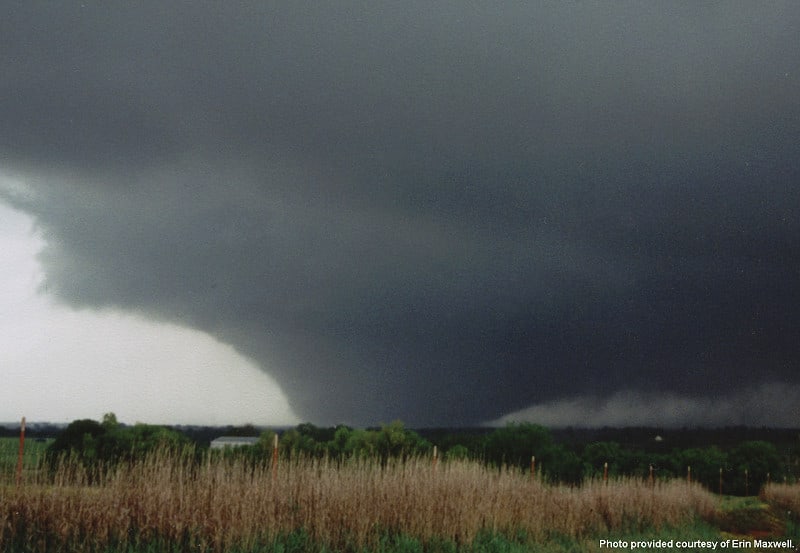
Keene, Texas, presents a Tornado Index score of 417.22, a figure significantly higher than the national average, which sits around 100.
Erin D. Maxwell / CC0 – License
When it comes to assessing tornado risk in a particular area, there’s no better tool than the Tornado Index. This metric, steeped in years of meteorological data and analysis, paints a clear picture of the potential twister activity a place might face. In the case of Keene, Texas, the Tornado Index tells a tale of higher-than-average risk.
Understanding the Tornado Index
Before we dive into Keene’s specific score, it’s essential to understand what the Tornado Index is and how it’s calculated. This index is a measure of the potential for tornado activity in a specific area based on historical tornado events that have been officially reported. It considers both the frequency and severity of these events. Therefore, a higher index score indicates a higher risk of tornadoes.
Keene’s Tornado Index Score and What It Means
Keene, Texas, presents a Tornado Index score of 417.22, a figure significantly higher than the national average, which sits around 100. This score suggests that Keene is nearly four times as likely to face a tornado as an average location in the United States.
What Keene’s Tornado Index Score Means
A Tornado Index score isn’t just a number – it’s a gauge of potential danger and a guide for preparedness. For example, Keene’s high score means that the town, due to its geographical location and meteorological conditions, is more susceptible to tornadoes. This heightened risk influences various aspects of life in Keene, from construction regulations and emergency response plans to insurance rates and personal safety measures.
Comparing Keene with Other High Tornado Index Places
To gain a better understanding of Keene’s Tornado Index score, it can be helpful to compare it with other places known for high tornado activity. For example, consider Valley Brook City, Oklahoma, a city with a Tornado Index of 696.05, one of the highest in the nation. Although Keene’s score is lower than Valley Brook City’s, it remains substantially higher than many other places in the U.S., marking it as a high-risk area.
Wildlife in Keene, TX

The Texas horned lizard, the state’s official reptile, is often found soaking up the sun on warm days.
Seth LaGrange/Shutterstock.com
In the midst of stormy skies and twisters, Keene, Texas, is also home to a diverse array of wildlife. From the smallest insects to the largest mammals, the natural world thrives in this unique environment. So, let’s take a closer look at the wildlife that calls Keene home.
Birds
Keene’s skies offer a haven for a variety of bird species. Red-tailed hawks are frequently spotted soaring high, while northern cardinals add splashes of vibrant red on the ground. The eastern bluebird, Texas’s state bird, graces the town with its striking blue and orange plumage, enhancing the local color palette.
Mammals
Keene hosts an array of mammals, despite its small size. The graceful white-tailed deer are often sighted near the town’s green spaces, while the distinctive armadillo is another regular visitor. Smaller mammals, like the eastern cottontail rabbit and fox squirrel, animate the underbrush with their swift movements.
Reptiles
Keene’s reptilian residents represent another aspect of its biodiversity. The Texas horned lizard, the state’s official reptile, is often found soaking up the sun on warm days. The Texas rat snake is another common sight, often found slithering across the town’s grasslands.
Amphibians
The town’s biodiversity extends to amphibians as well. The Gulf Coast toad and green tree frog are commonly found in Keene’s wetlands, contributing to the town’s dynamic ecosystem. These amphibians play a crucial role in the local environment, acting as both predators and prey.
Insects
The world of insects in Keene is both diverse and fascinating. With everything from beetles and ants to butterflies and bees, the town’s insect life plays an essential role in the ecosystem, contributing to pollination and waste decomposition. Also, Keene’s water bodies host numerous dragonflies and damselflies, crucial for keeping the mosquito population in check.
Aquatic Life
Keene’s streams and ponds are teeming with diverse aquatic life. Freshwater fish species like the largemouth bass, bluegill, and catfish are quite common. These water bodies also support various insect species, providing a balanced aquatic ecosystem.
Impact of Tornadoes on Wildlife
Tornadoes, with their high winds and destructive potential, undoubtedly have a significant impact on human-made structures. But they also profoundly affect wildlife. For the varied species that call Keene home, tornadoes present a unique set of challenges that can alter their behavior, habitat, and overall survival.
Immediate Impact on Wildlife
The immediate aftermath of a tornado is often chaotic for wildlife. High winds can displace smaller animals, carry away nests, or even cause direct injury. In the case of birds, tornadoes occurring during the breeding season can result in substantial losses as eggs and nestlings are particularly vulnerable.
Aquatic life is not spared either. Flash floods triggered by tornadoes can alter waterways, affecting both the aquatic species and the animals that depend on these bodies of water for survival.
Habitat Loss and Fragmentation
One of the most significant impacts of a tornado on wildlife is habitat loss. Large swaths of vegetation can be destroyed, leaving animals without food, shelter, or mating grounds. This loss can lead to a temporary decrease in population numbers. Additionally, the habitat fragmentation caused by tornadoes can isolate populations, leading to a decrease in genetic diversity.
Behavioral Changes
Interestingly, many animals seem to sense atmospheric changes that precede tornadoes. There are numerous anecdotal reports of unusual animal behavior before storms. For example, birds and mammals may seek shelter, and insects may go silent. While these behavioral changes might help some animals survive the immediate impact of the tornado, understanding these behaviors could also help us improve our tornado prediction methods.
Long-Term Ecological Impact
While the immediate impact of tornadoes on wildlife can be devastating, nature has a remarkable ability to recover over time. Tornadoes can create a mosaic of habitats, with areas in different stages of succession. This variety can increase biodiversity by providing a wide range of habitats. New growth following a tornado can also offer an abundance of food, leading to population booms among surviving wildlife.
Key Takeaways
So, we’ve journeyed through Keene, Texas, a town where the sky’s the limit—literally. This place, often brushed by the spiraling fingers of tornadoes, isn’t just a spot on a weather map. It’s a testament to the spirit of resilience, the power of community, and the sheer grit of the human spirit.
Throughout our exploration, we’ve discovered that Keene isn’t just about the storms that pass over it. It’s about the people who stand tall beneath those swirling clouds, the histories they carry, and the unique wildlife that shares their home.