Gainesville PD, NCTC teaming up for police training
Published: Fri, 10/06/23
Gainesville PD, NCTC teaming up for police training
Gainesville Daily Register
ANNA BEALL Staff Writer
October 5, 2023
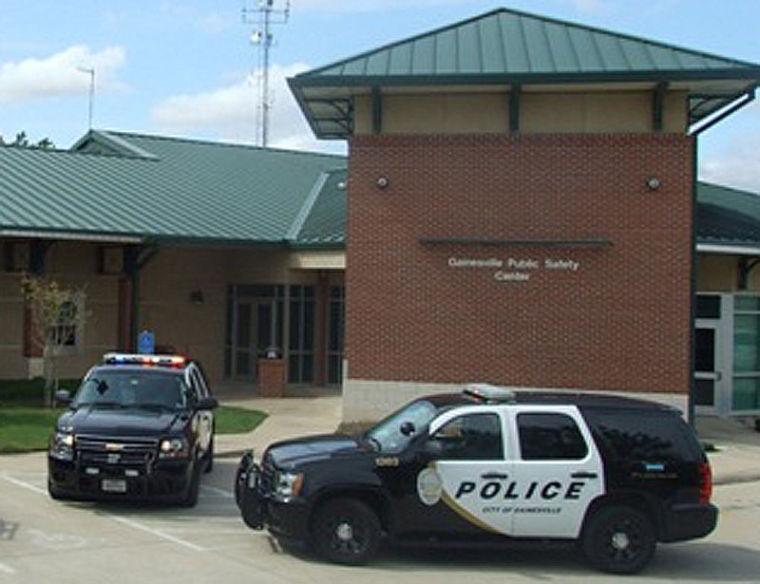
Gainesville Police Department and North Central Texas College are teaming up to develop law enforcement training courses.
“This is something that our police department in the city has been instrumental in, visiting with the college and asking them if they could start such a program,” said City Manager Barry Sullivan at the city council meeting Tuesday evening. “We have a lot of issues, as throughout the nation, keeping police officers. If we have this training program that will help, we believe as a city, and we want to work hand-in-hand with the college to allow them to use our facilities where we train our own police officers.”
To help the program succeed, the city of Gainesville is allowing NCTC to use the Law Enforcement Shooting Range and Emergency Vehicle Operations Course driving range as part of the law enforcement training courses.
“It’s not just for Gainesville PD,” added council member Michael Hill. “We’re working with Lindsay, Muenster, Montague County Sheriff’s office, any of the small departments around that don’t have their own facilities, so this will improve, in my opinion, the training for the whole area around us, and not just Gainesville.”
Tax abatement guidelines
The council is working to attract larger business projects to Gainesville. One way it has done so is by opening up opportunities for larger projects to receive tax breaks with new tax abatement guidelines.
“We’ve talked about a couple of projects that we might want to offer 90 percent abatements for at least a short term,” said Sullivan. “Generally when you do this, the lower price projects are smaller abatements for fewer years.”
Previously, the maximum abatement was 70 percent for up to 10 years for projects of $10 million or more. At Tuesday evening’s city council meeting, new guidelines were approved allowing for a 90 percent abatement for up to 10 years for projects of $35 million or more.
This is the maximum guideline, and most projects do not go for a full 10 years at the maximum abatement. According to Sullivan, most projects start with a high abatement for a few years, before dropping to a lower percentage for a few years and keeps dropping down. Also, the higher the percentage, the more rapidly it steps down.
“After some of these come through, if we’re getting inundated with people wanting to do those deals, we can always amend it and say we’re not going to consider something that low and we’ll move it up to $100 million or $200 million, something like that,” said Sullivan. “Some of these projects we’re looking at are items we really need in the city right now.”
The discussion of the quiet zone that was on the agenda was tabled for a later meeting.