Texas power grid too reliant on natural gas in case of grid failure, U.S. regulators found
Published: Sun, 12/24/23
Texas power grid too reliant on natural gas in case of grid failure, U.S. regulators found
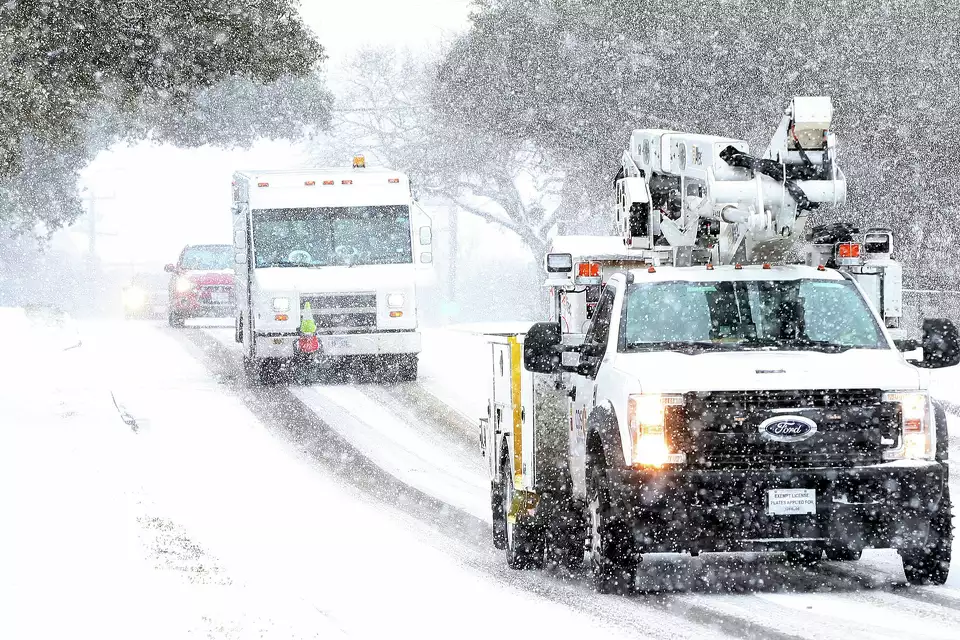
CPS Energy crews move along Vance Jackson Road during Winter Storm Uri in 2021. The February 2021 storm plunged San Antonio into freezing temperatures for days and resulted in power outages and dozens of deaths. A new study concludes that the Texas power grid relies too heavily on natural gas to restart from blackouts.
Kin Man Hui/Staff file photo
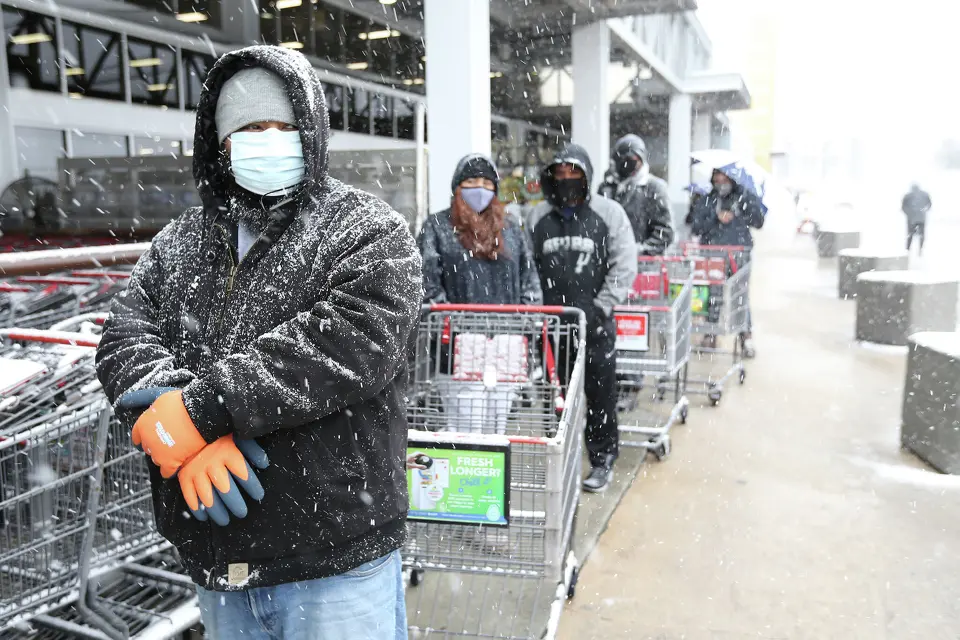
Alex Vega, left, waits with others to shop at the HEB on Wurzbach Road during another day of snow fall in San Antonio on Feb. 18, 2021. The storm, commonly referred to as Winter Storm Uri, plunged San Antonio into freezing temperatures for days and resulted in power outages and dozens of deaths. A new study concludes that the Texas power grid relies too heavily on natural gas to restart from blackouts.
Kin Man Hui/Staff photographer
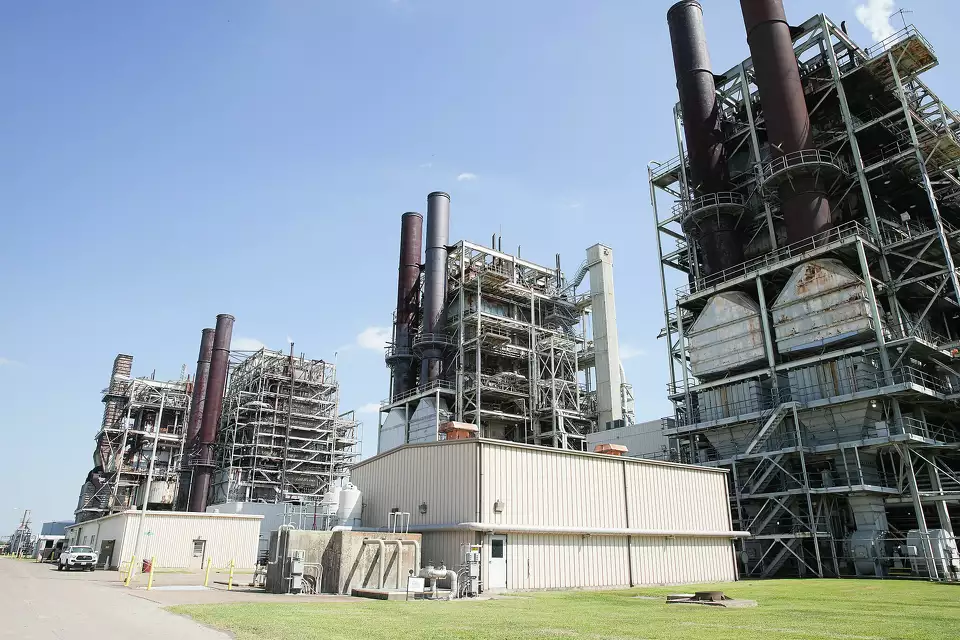
NRG's WA Parish coal- and gas-fired power plant in Richmond. A study by the Federal Energy Regulatory Commission and others concludes that the Texas grid heavily relies on natural gas for backup power in case of a blackout.
Elizabeth Conley/Staff photographer
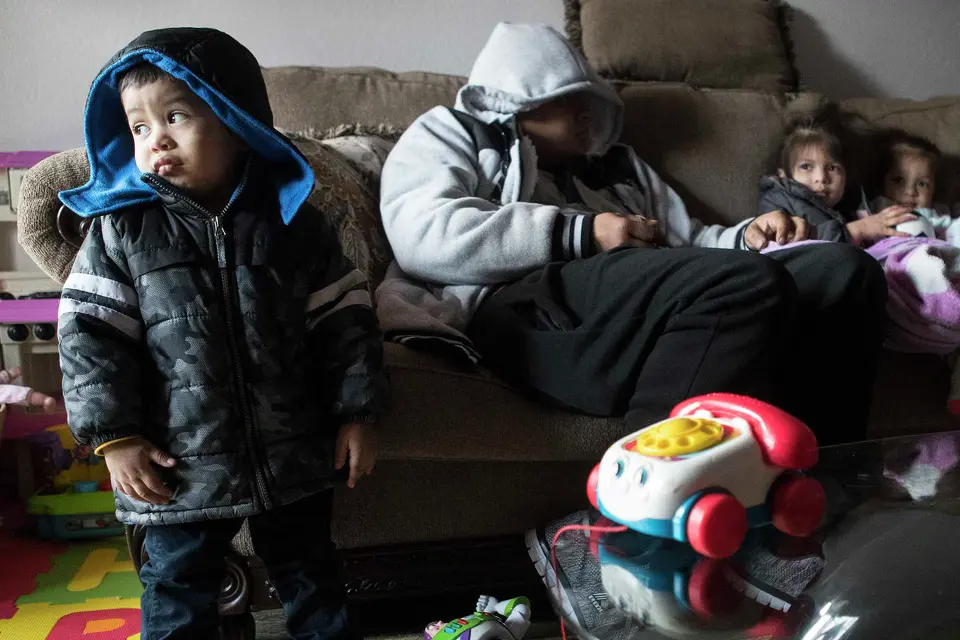
Eithan Colindres wears a winter coat inside after the apartment his family lives in the Greenspoint area that lost power following an overnight snowfall Monday, Feb. 15, 2021 in Houston. A new study concludes that the Texas power grid relies too heavily on natural gas to restart from blackouts.
Brett Coomer/Staff photographer
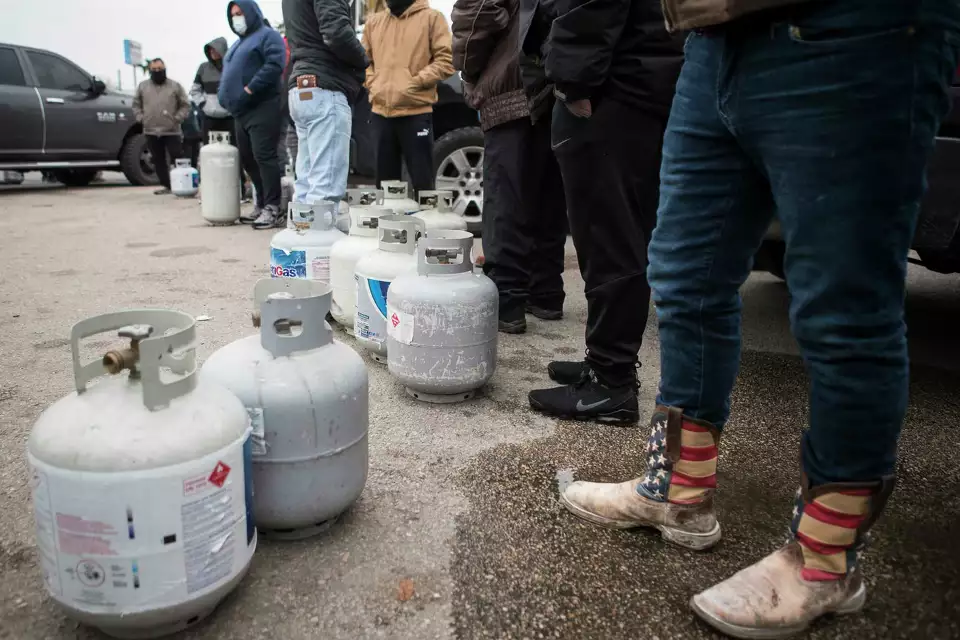
People line up to fill their empty propane tanks at a business on the North Freeway Tuesday, Feb. 16, 2021 in Houston. A new study concludes that the Texas power grid relies too heavily on natural gas to restart from blackouts.
Brett Coomer/Staff photographer
San Antonio Express-News
By Claire Hao, Staff writer
The Texas power grid should reduce its reliance on natural gas to generate electricity in the case of a grid failure, U.S. regulators concluded in a study published this week.
The Federal Energy Regulatory Commission, the North American Electric Reliability Corp. and several regional grid reliability organizations conducted the study as part of the ongoing postmortem following the deadly power outages during Winter Storm Uri, the February 2021 storm that brought freezing temperatures to Texas for days. The study looked at the grid managed by the Electric Reliability Council of Texas and its access to so-called black-start resources, power generation that
is designed to provide electricity without support from the grid. Most large power plants need electricity to start up.
“These (black-start) resources are critical to restoring electric service in event of a total blackout,” FERC wrote in a statement accompanying the study.
What happened in February 2021 was not a total blackout, a worst-case scenario during which the Texas power grid could be down for weeks. Instead, ERCOT initiated rotating outages, which are intended to temporarily cycle the loss of power through different areas, that spiraled into outages lasting days in some parts of Texas.
Nevertheless, black-start resources might have helped lessen the impact of Winter Storm Uri. During the storm, the Texas grid had 28 black-start resources, all of which used natural gas as their primary fuel, according to a November 2021 study of the event by FERC, NERC and the grid reliability groups.
Over the course of the multiday storm, 82% of black-start resources on the Texas grid experienced an outage, reduction of electricity output or failure to start at some point, according to the 2021 study. Also, 18% failed or faced issues because of freezing equipment, while 39% were faulty because of fuel limitations, the study said.
FERC, NERC and their partners found that the grid managed by ERCOT still relies heavily on natural gas as fuel for its black-start resources. It also observed that the electric and natural gas industries are very dependent on one another to maintain reliable operations.
The study recommended that Texas regulators, transmission operators, generation owners and natural gas producers examine the diversity of fuels used and single points of failure for black-start resources on the grid. It suggested they evaluate and incorporate alternate black-start resources, such as battery storage.
There should also be off-site natural gas storage in case the natural gas supply chain is severely stressed or unavailable during a blackout, it found. ERCOT said earlier this month it had secured backup fuel for power plants in case of natural
gas scarcity, among other preparations for this winter.
The natural gas shortage during Winter Storm Uri has been the subject of litigation, including lawsuits filed by CPS Energy, accusing pipeline companies of manipulating the flows and prices of gas. Natural gas pipeline operators and traders in court documents have consistently denied wrongdoing and insist they acted lawfully during the state of
emergency.
Because the Texas grid is entirely within the state’s borders and has limited connections to the other large U.S. systems, it is not subject to FERC regulation over interstate transmission and wholesale electricity markets. Instead, it is overseen by the Public Utility Commission of Texas, the state’s utility regulator.
ERCOT is subject to NERC oversight and FERC regulation for reliability.